
Missing Person Search Technology: GPS, Drones, and Digital Tools Revolutionizing Search and Rescue Operations
When someone goes missing, every second counts. The first 48 hours are often considered critical in missing person cases, and the difference between a successful rescue and a tragic outcome frequently depends on the speed and efficiency of search efforts. Fortunately, we’re living in an era where cutting-edge technology is transforming how search and rescue teams locate missing individuals, making operations faster, more precise, and significantly more effective than ever before.
From GPS tracking systems that can pinpoint locations within meters to sophisticated drones equipped with thermal imaging cameras, modern missing person search technology has evolved dramatically over the past decade. These digital tools aren’t just supplementing traditional search methods – they’re revolutionizing the entire approach to finding missing persons, whether they’re lost hikers in remote wilderness areas, elderly individuals with dementia who’ve wandered from home, or victims of natural disasters.
The Evolution of Search and Rescue Technology
Traditional search and rescue operations relied heavily on human searchers, search dogs, and basic communication equipment. While these methods remain valuable, they’re now enhanced by sophisticated digital tools that can cover vast areas in a fraction of the time it would take human teams alone. The integration of technology hasn’t replaced the human element – instead, it’s amplified human capabilities and created more strategic, data-driven approaches to search operations.
Modern search and rescue teams now operate with a technological toolkit that would have seemed like science fiction just two decades ago. These tools work synergistically, creating comprehensive search strategies that maximize the chances of successful outcomes while minimizing risks to search personnel.
GPS Technology: The Foundation of Modern Search Operations
Global Positioning System technology serves as the backbone of contemporary missing person searches. GPS devices have become incredibly sophisticated, offering real-time location tracking with accuracy that can pinpoint positions within just a few meters. For search and rescue operations, GPS technology provides multiple critical functions that have fundamentally changed how searches are conducted.
Personal GPS devices and smartphone applications now allow individuals to share their locations with family members or emergency contacts before venturing into remote areas. When someone goes missing, these digital breadcrumbs can provide searchers with invaluable starting points and potential routes the missing person may have taken.
Search teams use GPS technology to coordinate their efforts systematically, ensuring complete coverage of search areas without dangerous overlaps or missed zones. Advanced GPS systems can track the movement of search team members in real-time, allowing coordinators to optimize resource allocation and maintain safety protocols throughout operations.
The accuracy of modern GPS systems has improved dramatically, with some devices now capable of providing location data accurate to within one meter under optimal conditions. This precision is particularly valuable in wilderness searches where even small navigation errors can mean the difference between finding someone and missing them entirely.
Drone Technology: Eyes in the Sky
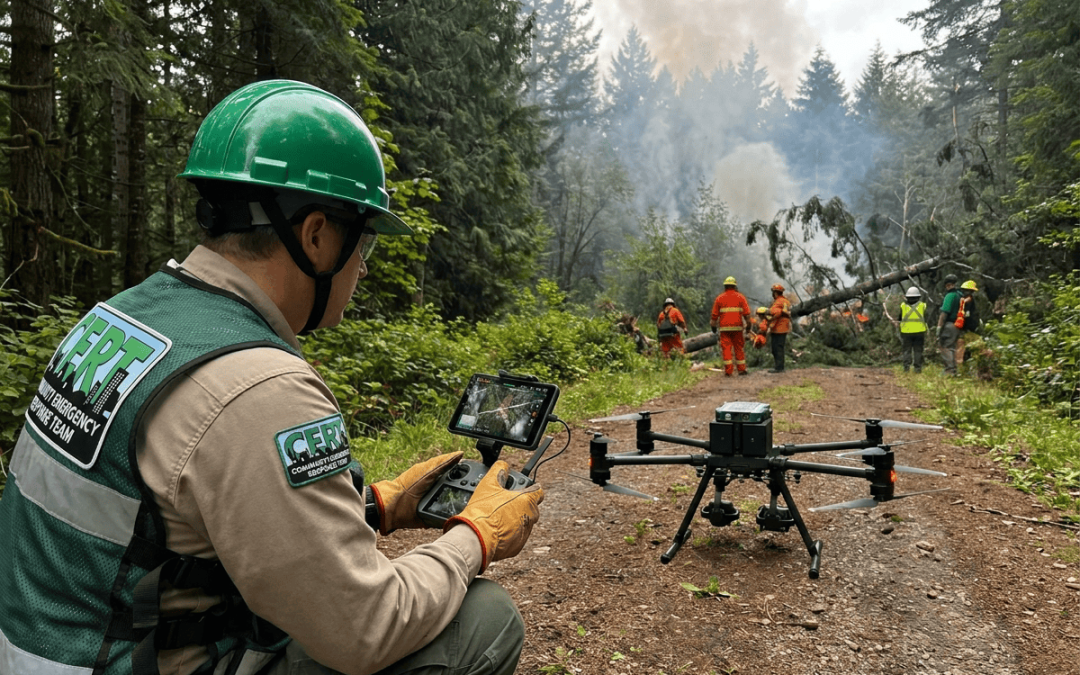
Unmanned aerial vehicles, commonly known as drones, have perhaps made the most dramatic impact on missing person search operations. These versatile aircraft can cover large areas quickly, access dangerous or difficult terrain safely, and provide real-time aerial surveillance that was previously impossible or extremely expensive to obtain.
Modern search and rescue drones come equipped with high-definition cameras, thermal imaging sensors, and even loudspeakers for communication with missing persons. Thermal imaging capabilities are particularly valuable, as they can detect body heat signatures even in challenging conditions such as dense forest cover, darkness, or adverse weather conditions.
The speed advantage of drones cannot be overstated. A single drone can survey an area that might take ground teams hours or even days to cover thoroughly. This rapid area coverage is crucial in time-sensitive situations where missing persons may be injured, exposed to harsh weather conditions, or in other immediate danger.
Advanced drones can operate in coordinated swarms, with multiple units working together to cover extensive search areas systematically. These systems can be programmed with specific flight patterns, ensuring comprehensive coverage while automatically avoiding obstacles and maintaining safe distances from search personnel on the ground.
Artificial Intelligence and Machine Learning in Search Operations
Artificial intelligence has begun playing an increasingly important role in missing person searches, particularly in analyzing the vast amounts of data generated by modern search technologies. Machine learning algorithms can process drone footage, satellite imagery, and other visual data far more quickly than human operators, identifying potential signs of missing persons or clues about their whereabouts.
Pattern recognition software can analyze historical data from successful searches to identify optimal search strategies for specific types of terrain and circumstances. These systems learn from each operation, continuously improving their effectiveness and helping search coordinators make more informed decisions about resource allocation and search priorities.
Predictive modeling powered by AI can help search teams estimate the most likely areas where missing persons might be located based on factors such as weather conditions, terrain difficulty, the individual’s physical condition, and behavioral patterns. This technology helps focus search efforts on the highest-probability areas first, potentially reducing search times significantly.
Mobile Applications and Digital Communication Tools
Smartphone applications have created new possibilities for both prevention and response in missing person situations. Location-sharing apps allow family members to monitor each other’s whereabouts, particularly useful for elderly individuals or those with cognitive impairments who might become disoriented.
Emergency communication apps can send automated distress signals with GPS coordinates when activated, even in areas with limited cellular coverage. Some applications can function through satellite networks, providing communication capabilities in remote areas where traditional cell phone service is unavailable.
Digital communication platforms enable better coordination between search teams, family members, and emergency services. Real-time information sharing through secure channels ensures that all stakeholders have access to the latest developments and can coordinate their efforts effectively.
Satellite Technology and Imagery Analysis
Satellite technology provides search teams with high-resolution imagery and real-time monitoring capabilities across vast geographic areas. Modern satellites can capture images with resolution sufficient to identify individual vehicles or even people in many conditions, providing valuable intelligence for search operations.
Satellite imagery analysis can help identify changes in terrain or unusual patterns that might indicate human activity or presence. This technology is particularly valuable in wilderness searches where missing persons might have created makeshift shelters or signals visible from above.
Some satellite systems can detect emergency beacons and personal locator devices, providing precise coordinates for rescue teams even in the most remote locations. These systems operate independently of terrestrial communication networks, making them invaluable in areas where other technologies might fail.
Social Media and Crowdsourcing in Missing Person Cases
Social media platforms have become powerful tools for spreading information about missing persons and coordinating volunteer search efforts. These platforms can rapidly disseminate photos, descriptions, and last known locations to thousands of people within hours of a disappearance.
Crowdsourcing platforms allow volunteers to assist in search efforts remotely by analyzing satellite imagery or drone footage for signs of missing persons. These distributed analysis efforts can process vast amounts of visual data much more quickly than small teams of professional searchers could manage alone.
Digital tip reporting systems enable the public to submit potential sightings or relevant information directly to search coordinators, creating additional information streams that might provide crucial leads in missing person cases.
Challenges and Limitations of Current Technology
While modern technology has dramatically improved missing person search capabilities, significant challenges and limitations remain. Battery life continues to be a constraint for many devices, particularly in extended search operations in remote areas where power sources are unavailable.
Weather conditions can severely impact the effectiveness of many technological tools. Heavy rain, snow, or extreme temperatures can interfere with drone operations, GPS accuracy, and communication systems. Search teams must always maintain backup plans and traditional search capabilities for such situations.
The cost of advanced search technology can be prohibitive for smaller search and rescue organizations, creating disparities in search capabilities between well-funded urban teams and rural volunteer organizations that might face the most challenging search scenarios.
Privacy concerns also present ongoing challenges, particularly regarding the use of surveillance technologies and location tracking systems. Balancing the need for effective search capabilities with respect for individual privacy rights requires careful consideration and appropriate regulatory frameworks.
Future Developments in Search Technology
The future of missing person search technology promises even more sophisticated capabilities. Advances in artificial intelligence will likely produce more accurate predictive models and faster analysis of search data. Improved battery technology will extend the operational time of portable devices and drones, enabling longer search operations.
Integration between different technological systems will continue to improve, creating more seamless and efficient search operations. We can expect to see better coordination between GPS systems, drone networks, satellite imagery, and communication platforms, all working together through unified command and control systems.
Miniaturization of technology will make advanced search tools more portable and accessible to smaller search organizations. As costs continue to decrease and capabilities increase, we can expect widespread adoption of sophisticated search technologies across all types of search and rescue operations.
Conclusion
The landscape of missing person search operations has been transformed by technological innovation, creating unprecedented capabilities for locating and rescuing missing individuals. From GPS systems that provide precise location data to drones that can survey vast areas in minutes, these tools have made search operations faster, safer, and more effective than ever before.
However, technology alone is not a complete solution. The most effective search operations combine advanced technological tools with experienced human judgment, traditional search techniques, and well-coordinated teamwork. As these technologies continue to evolve and improve, they promise to save even more lives and bring missing persons home safely to their families.
The investment in and development of missing person search technology represents one of the most practical applications of modern innovation – using our most advanced capabilities to protect and save human lives when they’re most vulnerable. As we look to the future, continued advancement in this field will undoubtedly create even more powerful tools for those dedicated to bringing missing persons home safely.
Frequently Asked Questions
How accurate is GPS technology in missing person searches?
Modern GPS systems can provide location accuracy within 1-5 meters under optimal conditions. However, accuracy can be reduced in areas with dense tree cover, urban canyons, or severe weather conditions. Professional-grade GPS units used by search teams typically offer better accuracy than consumer devices.
Can drones operate in all weather conditions?
Most consumer and professional drones have weather limitations. Heavy rain, snow, high winds, or extreme temperatures can prevent safe drone operations. However, specialized weather-resistant drones are available for search and rescue operations, though they may have reduced capabilities in severe conditions.
How long can search drones stay airborne?
Flight time varies significantly depending on the drone model and conditions. Consumer drones typically fly for 20-30 minutes, while professional search and rescue drones can operate for 1-2 hours. Some specialized long-endurance drones can remain airborne for several hours, and tethered systems can operate indefinitely with ground power sources.
Are these technologies available to volunteer search and rescue teams?
Many technologies are becoming more accessible to volunteer organizations, though cost remains a factor. Basic GPS units and consumer drones are relatively affordable, while advanced thermal imaging systems and professional-grade equipment require significant investment. Many areas have regional teams that share expensive equipment among multiple volunteer groups.
How effective is thermal imaging for finding missing persons?
Thermal imaging is highly effective for detecting human body heat signatures, especially in cooler conditions and during nighttime searches. It can detect people through light vegetation and in low-visibility conditions. However, its effectiveness decreases in very hot weather when ambient temperatures approach body temperature.
Can missing person search technology work without cell phone coverage?
Yes, many search technologies operate independently of cellular networks. GPS systems receive signals directly from satellites, drones can operate autonomously or with direct radio control, and satellite communication devices can provide connectivity in remote areas. However, some features like real-time data sharing may be limited without communication networks.