
Volunteer Safety Protocols: Protecting CERT Members During Emergency Operations
When disaster strikes, Community Emergency Response Team (CERT) volunteers are often among the first to step up and help their neighbors. These dedicated individuals undergo training to assist in emergency situations, but their safety must always remain the top priority. After all, a volunteer who becomes injured during an operation can quickly transform from an asset into another person requiring rescue.
The reality is that emergency situations are inherently dangerous. From unstable structures and hazardous materials to extreme weather conditions and emotional stress, CERT members face numerous risks during their service. That’s why comprehensive safety protocols aren’t just recommended – they’re absolutely essential for protecting these valuable community assets.
cert safety
This guide explores the critical safety measures that every CERT team should implement to ensure their volunteers return home safely after each deployment. Whether you’re a team leader, a seasoned volunteer, or someone considering joining your local CERT program, understanding these protocols could make the difference between a successful mission and a tragic outcome.
Understanding CERT Safety Fundamentals
The foundation of volunteer safety begins with a clear understanding that CERT members are not professional first responders. While their training provides valuable skills, volunteers must recognize their limitations and operate within safe parameters. This means following the basic CERT principle: “Do the greatest good for the greatest number of people while protecting yourself.”
Safety protocols start before any emergency occurs. Regular training sessions should emphasize hazard recognition, personal protective equipment usage, and situational awareness. Teams that invest time in safety education during calm periods are far better prepared when real emergencies arise.
One crucial aspect often overlooked is the psychological preparation for emergency response. Volunteers need to understand that they may encounter disturbing scenes, injured individuals, or situations that exceed their capabilities. Mental preparedness is just as important as physical safety measures.
Pre-Deployment Safety Briefings
Every CERT deployment should begin with a comprehensive safety briefing, regardless of how routine the situation might appear. These briefings serve multiple purposes: they update volunteers on current conditions, identify specific hazards, and reinforce safety protocols.
During pre-deployment briefings, team leaders should cover the incident command structure, communication procedures, and evacuation routes. Volunteers need to know who’s in charge, how to report problems, and where to go if conditions deteriorate. This information can be lifesaving when situations change rapidly.
The briefing should also address the specific hazards expected at the deployment site. Is there potential for structural collapse? Are hazardous materials present? What about traffic dangers or aggressive animals? By identifying these risks upfront, volunteers can take appropriate precautions and make informed decisions about their participation.
Personal Protective Equipment Requirements
Proper personal protective equipment (PPE) forms the first line of defense for CERT volunteers. However, PPE is only effective when it’s appropriate for the situation, properly fitted, and correctly used. Teams must establish clear PPE requirements and ensure all volunteers understand when and how to use their equipment.
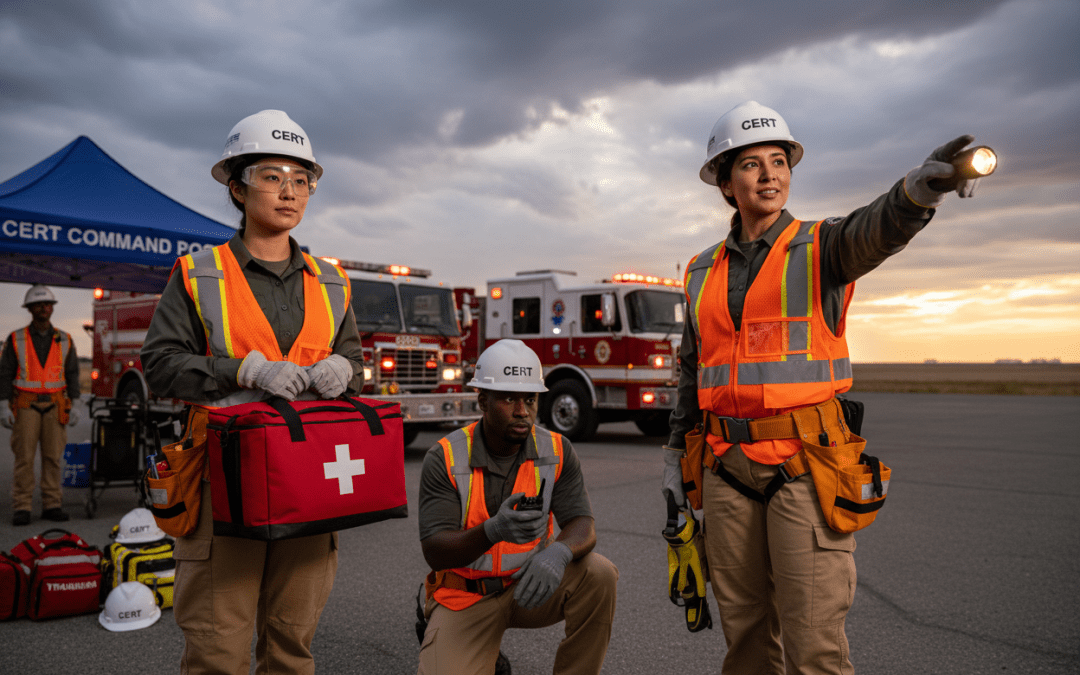
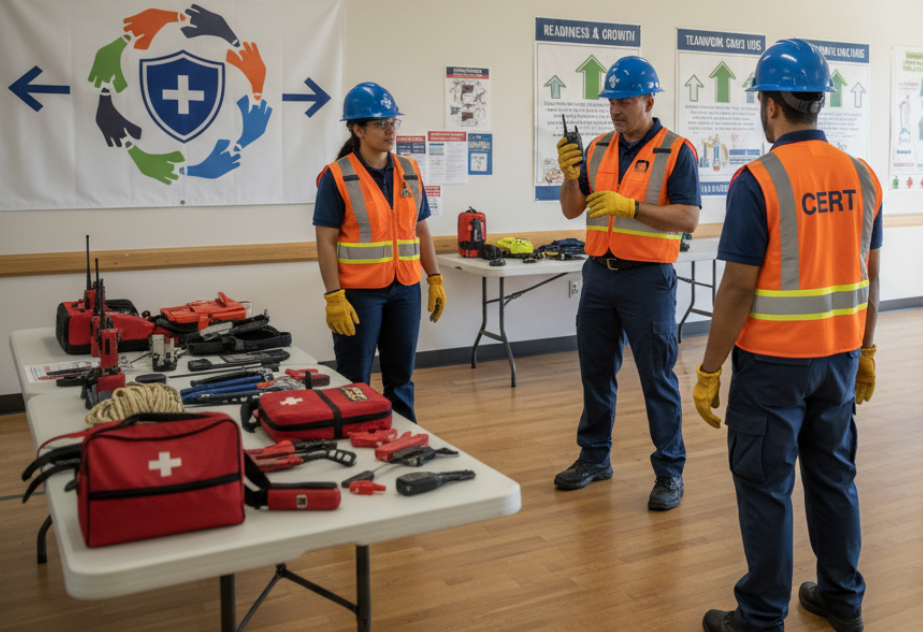
Basic PPE for CERT operations typically includes hard hats, safety glasses, work gloves, and sturdy footwear. Depending on the situation, additional equipment like dust masks, reflective vests, or knee pads might be necessary. The key is matching the protection to the specific hazards present.
Regular equipment inspections are essential. Damaged or worn PPE can provide a false sense of security while offering little actual protection. Teams should establish replacement schedules and conduct periodic equipment checks to ensure everything remains in good working condition.
Communication and Accountability Systems
Maintaining contact with CERT volunteers during operations is crucial for their safety. Teams need robust communication systems that work even when normal infrastructure fails. This might include two-way radios, cell phones with backup power, or predetermined check-in procedures.
The buddy system provides an additional layer of safety and accountability. Pairing volunteers ensures that someone notices if a team member becomes separated, injured, or overwhelmed. Buddies can watch out for each other’s safety and provide mutual support during stressful situations.
Regular check-ins with the command post help maintain situational awareness and allow for rapid response if problems arise. These communications should include the volunteers’ location, current activities, and any safety concerns they’ve observed.
Hazard Recognition Training
Teaching volunteers to identify and assess hazards is perhaps the most important safety skill they can develop. Many emergency-related injuries occur because people fail to recognize dangerous conditions before it’s too late.
Structural hazards present some of the most serious risks during disaster response. Volunteers must learn to identify signs of building instability, such as cracks in walls, sagging roofs, or shifted foundations. When in doubt, the safest approach is to stay out and call for professional assessment.
Environmental hazards vary by location and disaster type. These might include downed power lines, gas leaks, contaminated water, or unstable terrain. Training should cover the specific hazards most likely to be encountered in the team’s service area.
Medical Emergency Protocols for Volunteers
Despite all precautions, accidents can happen during CERT operations. Teams must have clear protocols for handling medical emergencies involving their own volunteers. This includes immediate first aid procedures, evacuation plans, and notification requirements.
Every CERT team should have designated medical officers or volunteers with enhanced medical training. These individuals can provide initial care and make decisions about whether injured volunteers need professional medical attention or evacuation from the scene.
Documentation of volunteer injuries is important for several reasons. It helps identify patterns that might indicate systemic safety problems, provides necessary information for insurance claims, and creates a record for follow-up care.
Weather-Related Safety Considerations
Weather conditions can significantly impact volunteer safety during emergency operations. Teams operating in extreme heat, cold, wind, or precipitation face additional risks that require specific safety measures.
Heat-related illnesses are particularly dangerous because they can develop quickly and impair judgment. Teams operating in hot conditions need frequent rest breaks, adequate hydration, and procedures for recognizing heat exhaustion symptoms. Rotating volunteers through different tasks can help prevent overexertion.
Cold weather operations present their own challenges, including hypothermia risk and reduced manual dexterity. Proper layered clothing, warm shelter areas, and hot beverages can help maintain volunteer safety and effectiveness in cold conditions.
Psychological Safety and Stress Management
The mental health of CERT volunteers is just as important as their physical safety. Emergency operations can be emotionally demanding, and volunteers may witness traumatic scenes or feel overwhelmed by the scope of destruction.
Teams should provide psychological first aid training to help volunteers support each other during difficult operations. This includes recognizing signs of acute stress reactions and knowing when to remove someone from active duty for their own wellbeing.
Post-incident debriefings serve multiple purposes, including stress relief and learning opportunities. These sessions allow volunteers to process their experiences, discuss what went well, and identify areas for improvement in future operations.
Equipment Safety and Maintenance
CERT teams rely on various tools and equipment during their operations, from simple hand tools to more complex devices like generators or pumps. Proper maintenance and safe operation of this equipment is essential for volunteer safety.
Regular training on equipment operation helps prevent accidents caused by unfamiliarity or improper use. Volunteers should never use equipment they haven’t been trained on, regardless of how urgent the situation might seem.
Preventive maintenance schedules ensure that equipment remains in safe working condition. This includes regular inspections, cleaning, and replacement of worn parts. Equipment that fails during an emergency can create additional hazards for volunteers and the people they’re trying to help.
Creating a Culture of Safety
Ultimately, the most effective safety protocols are those that become ingrained in the team’s culture. When safety becomes second nature rather than an afterthought, volunteers are more likely to make good decisions even under pressure.
Team leaders play a crucial role in establishing this culture by consistently modeling safe behavior and making it clear that safety concerns will be taken seriously. Volunteers need to feel comfortable speaking up about potential hazards without fear of criticism or being labeled as troublemakers.
Regular safety training and drills help reinforce proper procedures and keep safety awareness high. These exercises should simulate realistic conditions and include scenarios where volunteers must make difficult safety decisions.
Recognition and positive reinforcement for safe behavior can be just as important as correcting unsafe practices. When teams celebrate volunteers who demonstrate good safety judgment, it reinforces the message that safety is valued and expected.
The commitment to volunteer safety must be ongoing and comprehensive. It requires investment in training, equipment, and procedures, but the alternative – preventable injuries to dedicated community volunteers – is simply unacceptable. By implementing robust safety protocols and fostering a culture that prioritizes volunteer wellbeing, CERT teams can continue their vital mission while ensuring that everyone goes home safely at the end of each operation.
Remember, the goal isn’t to eliminate all risks – that would be impossible in emergency response. Instead, the objective is to manage risks intelligently, prepare volunteers thoroughly, and create systems that support safe decision-making even under pressure. When CERT volunteers are properly protected, they can focus on their mission of helping others without unnecessary worry about their own safety.
Frequently Asked Questions
What should I do if I notice a safety hazard during a CERT operation?
Immediately report the hazard to your team leader or incident commander. Don’t attempt to address serious hazards yourself unless you’re specifically trained and equipped to do so safely. Your primary responsibility is to alert others so appropriate action can be taken.
Can I participate in CERT operations if I have a medical condition?
This depends on your specific condition and the type of operation. Discuss your medical situation with your team leader before deployment. Many people with medical conditions can safely participate in CERT activities with appropriate accommodations or by taking on roles that match their capabilities.
What happens if I get injured during a CERT deployment?
Notify your buddy or team leader immediately. Your team should have medical officers who can provide initial assessment and care. Depending on the severity, you may need professional medical attention. All volunteer injuries should be documented according to your team’s procedures.
How often should CERT safety training be conducted?
Safety training should be an ongoing component of all CERT activities, not just a one-time event. Most teams incorporate safety elements into monthly meetings and conduct comprehensive safety refreshers at least annually. Additional training may be needed when new equipment is introduced or after incidents that highlight safety concerns.
What personal protective equipment should I bring to CERT operations?
At minimum, bring a hard hat, safety glasses, work gloves, and sturdy closed-toe shoes or boots. Your team may specify additional PPE based on the expected hazards. Always check with your team leader about specific PPE requirements for each deployment.
Are CERT volunteers covered by insurance if they’re injured during operations?
Coverage varies by location and organization. Many CERT programs provide some form of accident insurance for volunteers, but you should verify this with your local program coordinator. Consider whether your personal health insurance provides adequate coverage for volunteer activities.