
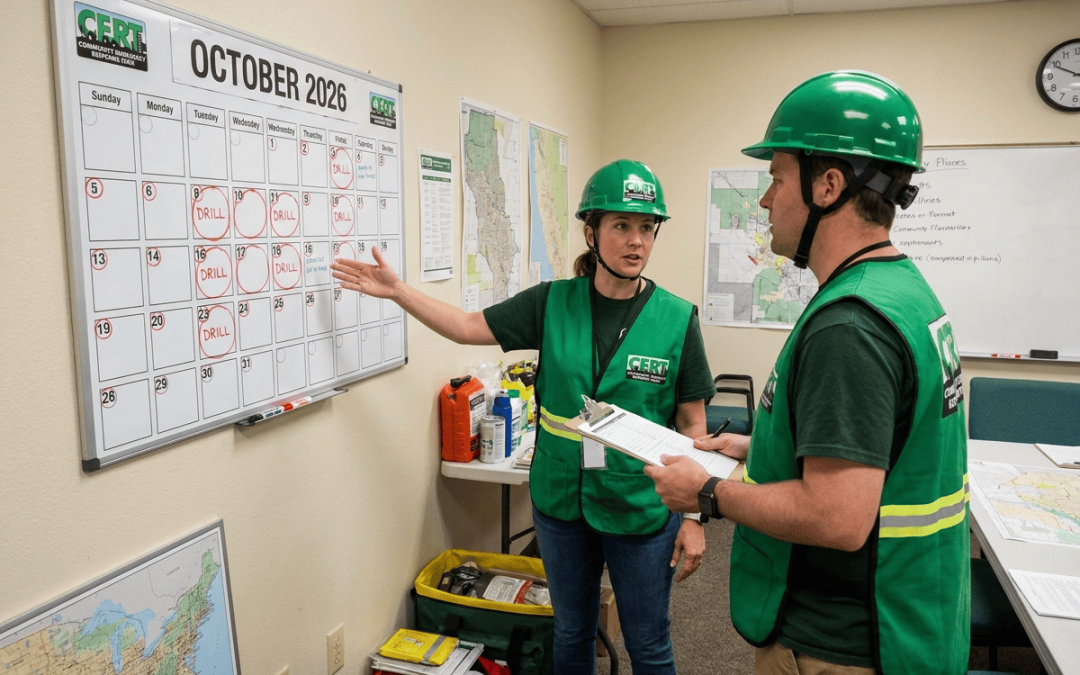
CERT Team Training Schedule: Balancing Skills Development with Volunteer Availability
Creating an effective training schedule for your Community Emergency Response Team (CERT) can feel like solving a complex puzzle. You’re juggling the need for comprehensive skills development with the reality that your volunteers have full-time jobs, family commitments, and personal lives. It’s a challenge that every CERT coordinator faces, but with the right approach, you can build a training program that works for everyone while maintaining high standards of emergency preparedness.
The key lies in understanding that flexibility doesn’t mean compromising quality. Instead, it means being creative about how you deliver essential training while respecting the time constraints of your dedicated volunteers. Let’s explore strategies that will help you create a training schedule that keeps your team engaged, skilled, and ready to serve your community when disaster strikes.
Understanding Your Team’s Availability Patterns
Before you can create an effective training schedule, you need to understand when your volunteers are actually available. This isn’t just about asking people to raise their hands for evening versus weekend sessions. You need to dig deeper into the patterns that shape your community’s schedule.
Start by conducting a comprehensive availability survey that goes beyond basic time slots. Ask about seasonal variations – many volunteers might be less available during summer vacation months or holiday seasons. Consider work schedules that might change seasonally, like teachers who have different availability during the school year versus summer break.
Don’t forget to account for recurring commitments that might not be immediately obvious. Some volunteers might coach youth sports, serve on other community boards, or have caregiving responsibilities that fluctuate throughout the year. Understanding these patterns helps you avoid scheduling conflicts that could leave you with poor attendance at crucial training sessions.
Geographic factors also play a role in availability. If your CERT serves a large area, volunteers living farther from training locations might need different scheduling considerations, especially during winter months when travel becomes more challenging.
Essential Skills That Cannot Be Compromised
While flexibility is important, certain core competencies form the foundation of effective emergency response and cannot be diluted or rushed. These essential skills require dedicated time and hands-on practice that simply cannot be compressed into shorter sessions without compromising safety and effectiveness.
Medical response training tops this list. CPR certification, basic first aid, and triage procedures require muscle memory that only comes from repeated practice. You cannot effectively teach someone to perform chest compressions or manage airway obstructions through abbreviated sessions or online modules alone.
Search and rescue techniques represent another non-negotiable area. Understanding how to safely navigate damaged structures, conduct systematic searches, and communicate effectively with professional responders requires extensive hands-on training. The physical and mental skills needed for these operations develop only through realistic practice scenarios.
Fire suppression and hazardous materials awareness also demand comprehensive training time. Volunteers need to understand not just the theory behind fire behavior and chemical hazards, but also the practical skills of operating equipment under stress. These competencies directly impact both volunteer safety and their ability to protect community members.
Communication protocols and incident command system basics round out the essential skills list. Emergency response depends on clear, standardized communication, and volunteers must be thoroughly familiar with these systems before they’re needed in actual emergencies.
Creative Training Delivery Methods
The solution to balancing comprehensive training with volunteer availability lies in diversifying your delivery methods. Traditional classroom-style sessions, while valuable, represent just one tool in your training toolkit.
Hybrid learning approaches combine the best of multiple methods. You might deliver theoretical content through online modules that volunteers can complete at their convenience, then bring everyone together for hands-on practice sessions that reinforce and apply that knowledge. This approach respects busy schedules while ensuring that critical practical skills receive adequate attention.
Micro-learning sessions can be surprisingly effective for certain types of content. Instead of trying to cover everything about emergency communications in one three-hour session, break it into focused 30-minute segments spread across several weeks. Each session can dive deep into specific aspects like radio protocols, message formats, or equipment operation.
Mobile training units or pop-up training sessions can bring education directly to volunteers in different parts of your service area. This approach reduces travel time and can increase participation from volunteers who might otherwise struggle to attend centralized training sessions.
Peer-to-peer training leverages the expertise within your existing team. Experienced volunteers can lead specialized sessions in their areas of strength, creating more intimate learning environments while distributing the training load across multiple team members.
Seasonal Training Considerations
Smart CERT coordinators align their training schedules with natural seasonal rhythms and community patterns. This approach maximizes attendance while preparing volunteers for the types of emergencies most likely to occur during specific times of year.
Winter months often provide the best opportunity for indoor, classroom-style training. Volunteers are generally less involved in outdoor activities, and harsh weather makes indoor gatherings more appealing. This is an ideal time for theoretical training, equipment maintenance workshops, and detailed planning sessions.
Spring brings opportunities for outdoor skills training as weather improves and daylight hours extend. This season works well for search and rescue exercises, outdoor communication drills, and community preparedness events that require good weather.
Summer scheduling requires careful consideration of vacation patterns, but longer daylight hours can accommodate evening training sessions that don’t conflict with work schedules. Weekend training camps or intensive workshops can work well during summer months when volunteers might be more willing to dedicate entire days to training.
Fall often represents a sweet spot for comprehensive training programs. Volunteers are back from summer vacations, motivated by the approaching winter season, and ready to commit to regular training schedules. This is often the best time for major exercises and certification renewals.
Flexible Scheduling Strategies
The most successful CERT training programs offer multiple pathways for volunteers to complete required training. This flexibility acknowledges that life happens, and rigid scheduling can exclude otherwise dedicated volunteers who face temporary availability challenges.
Rotating schedules ensure that training sessions aren’t always held on the same day of the week or time of day. If you always hold training on Tuesday evenings, you’ll consistently exclude volunteers who have Tuesday night commitments. By rotating between different days and times, you give everyone opportunities to participate.
Make-up sessions or alternative completion methods provide safety nets for volunteers who miss scheduled training. This might involve one-on-one sessions with experienced team members, online assessments followed by practical demonstrations, or participation in training exercises with neighboring CERT teams.
Modular training programs allow volunteers to complete requirements over extended periods rather than forcing everything into compressed timeframes. A volunteer might complete fire safety training in January, medical response in March, and search and rescue in May, building their skills gradually while accommodating their personal schedule.
Record-keeping systems that track individual progress help coordinators identify volunteers who might be falling behind and need additional support or alternative training arrangements.
Technology Integration for Training Efficiency
Modern technology offers powerful tools for making CERT training more accessible and efficient without sacrificing quality. The key is using technology to enhance rather than replace essential hands-on learning experiences.
Learning management systems can deliver consistent theoretical content while allowing volunteers to progress at their own pace. These platforms can track completion rates, provide instant feedback on assessments, and ensure that everyone receives the same foundational knowledge before attending practical sessions.
Virtual reality training simulators are becoming more accessible and can provide realistic practice opportunities for scenarios that would be difficult or expensive to recreate in traditional training settings. Volunteers can practice decision-making in simulated emergency environments, building confidence and skills in a controlled setting.
Mobile apps can deliver bite-sized training content, send reminders about upcoming sessions, and provide quick reference materials that volunteers can access during actual emergencies. These tools keep training content fresh in volunteers’ minds between formal training sessions.
Video conferencing platforms enable remote participation in certain types of training, particularly planning sessions, debriefings, and theoretical discussions. While not suitable for all training activities, these tools can help maintain team cohesion and continue education even when in-person gatherings aren’t possible.
Measuring Training Effectiveness
A flexible training schedule only works if it actually produces competent, confident volunteers. Regular assessment ensures that your creative scheduling approaches aren’t compromising the quality of emergency response capabilities.
Practical skills assessments should occur regularly and cover all essential competencies. These evaluations help identify knowledge gaps that might result from fragmented or flexible training delivery, allowing coordinators to provide additional support where needed.
Volunteer feedback provides crucial insights into the effectiveness of different training methods and scheduling approaches. Regular surveys can reveal which delivery methods work best for different types of content and help identify scheduling patterns that maximize participation.
Exercise participation rates and performance during training drills offer objective measures of training effectiveness. Volunteers who have received quality training through flexible delivery methods should perform just as well as those who completed traditional classroom-based programs.
Retention rates indicate whether your training program is sustainable. If volunteers are dropping out because training schedules don’t work with their lives, even the highest-quality program won’t build the community resilience that CERT programs are designed to create.
Building Long-term Volunteer Engagement
Successful CERT training programs recognize that initial certification is just the beginning. Long-term community resilience depends on maintaining volunteer engagement and skills over time, which requires ongoing attention to work-life balance and training accessibility.
Progressive skill development paths give experienced volunteers opportunities to take on specialized roles and advanced responsibilities. This approach prevents training from becoming repetitive while providing natural leadership development opportunities within your team.
Cross-training with other emergency response organizations can provide fresh perspectives and additional training opportunities while building important professional relationships. These partnerships can also help share training resources and reduce the burden on individual CERT coordinators.
Recognition programs that acknowledge both training participation and community service help maintain volunteer motivation. Flexible training schedules work best when volunteers feel valued and see clear connections between their training efforts and community benefit.
Regular program evaluation and adjustment ensure that training schedules continue to meet volunteer needs as community demographics and volunteer availability patterns change over time.
Conclusion
Creating an effective CERT training schedule that balances skills development with volunteer availability requires thoughtful planning, creative delivery methods, and ongoing flexibility. The most successful programs recognize that rigid scheduling can exclude dedicated volunteers while overly flexible approaches might compromise essential skills development.
The key lies in identifying non-negotiable core competencies that require comprehensive hands-on training while finding innovative ways to deliver supporting content that accommodate diverse volunteer schedules. By leveraging technology, seasonal patterns, and creative delivery methods, CERT coordinators can build training programs that produce competent volunteers while respecting the time constraints that volunteers face.
Remember that the goal isn’t perfect attendance at every training session, but rather ensuring that every volunteer develops the skills and confidence needed to serve effectively during emergencies. A training program that keeps volunteers engaged over the long term will ultimately contribute more to community resilience than one that demands perfect compliance with rigid schedules but loses volunteers to competing priorities.
Success in CERT training comes from understanding your community’s unique patterns and needs, then building flexible systems that deliver essential training while working with, rather than against, the realities of volunteer life. With patience, creativity, and commitment to both quality and accessibility, you can develop a training program that serves your volunteers well while building the emergency response capabilities your community needs.
Frequently Asked Questions
How often should CERT volunteers participate in training sessions?
Most CERT programs require initial certification training followed by at least 8-16 hours of continuing education annually. However, the frequency can vary based on local requirements and volunteer availability. The key is maintaining skills through regular practice rather than adhering to rigid schedules.
Can online training replace hands-on CERT training sessions?
Online training works well for theoretical content and knowledge-based learning, but hands-on skills like CPR, search and rescue techniques, and equipment operation require in-person practice. The most effective programs use online learning to supplement, not replace, practical training sessions.
What should I do if volunteers consistently miss training due to work schedules?
Consider offering multiple training times, including early morning, evening, and weekend options. You might also explore workplace partnerships where employers allow volunteers to attend training during work hours, especially if the business benefits from having trained emergency responders on staff.
How can small CERT teams with limited resources create effective training programs?
Small teams can partner with neighboring CERT groups to share training resources and costs. They can also leverage free online resources, invite guest instructors from local emergency services, and focus on peer-to-peer training where experienced volunteers teach newer members.
What’s the minimum training time needed for basic CERT certification?
Standard CERT basic training typically requires 20-24 hours of instruction covering disaster preparedness, fire safety, medical operations, light search and rescue, and team organization. This can be delivered over several weeks or in intensive weekend formats, depending on volunteer availability.
How do you maintain training quality with flexible scheduling?
Establish clear learning objectives for each training component, use standardized assessment methods, and ensure all volunteers demonstrate competency in essential skills regardless of how they completed their training. Regular skills evaluations and refresher sessions help maintain consistent quality standards.