
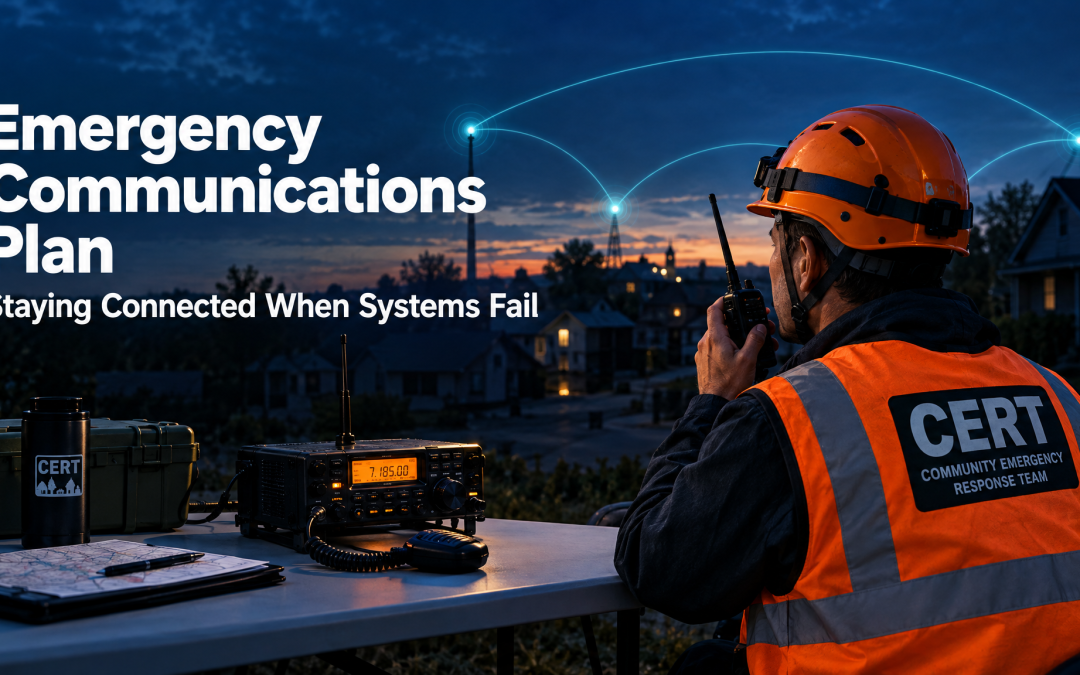
Emergency Communications Plan: Staying Connected When Systems Fail
When Hurricane Sandy knocked out power to millions of homes across the Northeast in 2012, something became crystal clear: our modern world’s dependence on technology can leave us dangerously isolated when disaster strikes. Cell towers went dark, internet connections vanished, and families found themselves cut off from loved ones when they needed to connect most. This stark reality highlights why having a robust emergency communications plan isn’t just smart preparation—it’s essential for your family’s safety and peace of mind.
Natural disasters, cyberattacks, and infrastructure failures can cripple our communication networks without warning. While we can’t prevent these events, we can prepare for them. A well-thought-out emergency communications plan serves as your lifeline, ensuring you can reach family members, receive critical information, and coordinate with emergency services even when traditional systems fail.
Understanding Communication Vulnerabilities During Emergencies
Modern communication systems, despite their sophistication, have several critical weaknesses that become apparent during emergencies. Cell towers require constant power and can be damaged by severe weather, earthquakes, or flooding. Internet infrastructure depends on a complex network of cables, servers, and switching stations—any of which can fail during a crisis.
Power outages represent perhaps the most common threat to communication systems. Even if the infrastructure remains intact, widespread power loss can render cell towers, internet hubs, and home communication devices useless. During the 2021 Texas winter storm, millions lost power for days, effectively cutting off their primary means of communication.
Network congestion also poses a significant challenge. During major emergencies, everyone tries to call or text simultaneously, overwhelming systems that weren’t designed for such massive spikes in usage. This phenomenon occurred during the September 11 attacks, when phone networks became virtually unusable due to call volume.
Building Your Primary Communication Strategy
Your emergency communications plan should start with identifying and organizing your most important contacts. Create a comprehensive contact list that includes family members, close friends, your workplace, schools, medical providers, and local emergency services. Don’t just store these numbers in your phone—write them down and keep physical copies in multiple locations.
Designate an out-of-state contact person who can serve as a central communication hub for your family. During local disasters, long-distance phone lines often remain operational even when local networks fail. This contact person can relay messages between family members and help coordinate reunification efforts.
Text messaging often works when voice calls don’t because texts require less bandwidth and can be delivered when network capacity becomes available. Make texting your first choice during emergencies, keeping messages brief and including your location and status.
Social media platforms can also serve as effective communication tools during emergencies. Facebook’s Safety Check feature allows users to quickly notify friends and family that they’re safe, while Twitter often becomes a real-time information source during developing situations.
Alternative Communication Methods and Technologies
When conventional communication methods fail, alternative technologies can fill the gap. Two-way radios, also known as walkie-talkies, provide reliable short-range communication that doesn’t depend on external infrastructure. For families with members who work in different parts of the city or have children at school, these devices can be invaluable.
Ham radio represents one of the most reliable emergency communication methods available. Licensed amateur radio operators can communicate across vast distances even when all other systems fail. While obtaining a ham radio license requires some study and testing, the investment in time pays dividends during emergencies. Many communities have amateur radio emergency networks that activate during disasters.
Satellite communicators have become increasingly accessible and affordable. These handheld devices can send text messages and GPS coordinates via satellite networks, functioning even in remote areas where cell coverage doesn’t exist. While more expensive than traditional communication methods, satellite communicators provide unparalleled reliability.
Emergency radios with hand-crank or solar charging capabilities ensure you can receive critical information even during extended power outages. Look for radios that receive NOAA Weather Radio broadcasts, which provide official emergency information and warnings.
Creating Communication Protocols for Your Family
Establishing clear communication protocols helps ensure your family knows exactly what to do when normal communication channels fail. Start by creating a family communication card that each member carries. This wallet-sized card should include emergency contact numbers, meeting locations, and basic instructions.
Designate primary and secondary meeting places where family members should gather if they can’t reach each other by phone. Choose locations that are familiar to everyone and consider different scenarios—a neighborhood location for sudden emergencies and an out-of-area location if you need to evacuate.
Establish specific times for family members to attempt contact with each other and your out-of-state contact person. This prevents constant calling that can drain phone batteries and reduces network congestion. For example, agree to try calling every three hours at predetermined times.
Create simple code words or phrases that convey important information quickly. “Code Green” might mean everyone is safe and staying put, while “Code Yellow” could indicate minor problems but no immediate danger. These codes help communicate essential information even when connections are poor or time is limited.
Essential Equipment and Backup Power Solutions
Your emergency communication plan requires reliable equipment and power sources to function effectively. Start with a comprehensive emergency kit that includes battery-powered or hand-crank radios, extra batteries, portable phone chargers, and backup communication devices.
Portable power banks have become essential emergency equipment. Choose high-capacity power banks that can charge your phone multiple times, and remember to keep them charged and ready. Solar-powered chargers provide renewable energy for extended emergencies, though they work best in sunny conditions.
Car chargers offer another power source for mobile devices, but remember that running your car to charge phones consumes fuel that might be difficult to replace during emergencies. Use this method judiciously and ensure your vehicle has adequate fuel reserves.
Consider investing in a small generator or larger battery backup system if your budget allows. These systems can power communication equipment for extended periods and provide peace of mind during lengthy outages.
Information Sources and Emergency Alerts
Knowing where to find reliable information during emergencies is just as important as maintaining communication with family members. Official sources like local emergency management agencies, the National Weather Service, and public safety departments provide the most accurate and timely information.
Sign up for emergency alert systems in your area. Many communities offer text message or email alerts for severe weather, evacuation orders, and other critical situations. The federal Wireless Emergency Alert system automatically sends messages to all compatible phones in affected areas.
Local news stations often provide continuous coverage during major emergencies, but remember that information can change rapidly during developing situations. Cross-reference important information with official sources before making critical decisions.
Emergency services apps for your smartphone can provide real-time updates and allow you to report emergencies even when voice calls aren’t working. Many of these apps work with limited internet connectivity and can be valuable information sources.
Testing and Maintaining Your Communication Plan
An untested emergency communication plan is little better than no plan at all. Schedule regular drills with your family to practice your communication protocols. Try contacting your out-of-state contact person, test your backup communication devices, and verify that everyone knows the meeting locations.
Update your contact information regularly. Phone numbers change, people move, and new family members join the household. Review and update your emergency contact list at least twice a year, perhaps when daylight saving time changes.
Check your emergency equipment quarterly. Replace batteries, charge power banks, and test radios and other devices to ensure they work when needed. There’s nothing more frustrating than discovering dead batteries in your emergency radio during an actual emergency.
Practice using alternative communication methods before you need them. If you have two-way radios, practice using them with family members. If you’re considering ham radio, start studying for your license now rather than waiting for an emergency.
Conclusion
Creating an effective emergency communications plan requires thoughtful preparation, the right equipment, and regular practice. While we hope never to face a situation where our normal communication systems fail, having a comprehensive backup plan provides invaluable peace of mind and could prove lifesaving during a real emergency.
Remember that your emergency communications plan should evolve with your family’s needs and available technology. What works for a family with young children might differ from what works for empty nesters or single professionals. Customize your plan to fit your specific situation and don’t be afraid to adjust it as circumstances change.
The investment in time and resources required to develop a robust emergency communications plan pays dividends far beyond the financial cost. When disaster strikes and normal systems fail, your preparation will help keep your family connected, informed, and safe. Start building your emergency communications plan today—your future self will thank you.
Frequently Asked Questions
How often should I test my emergency communication plan?
Test your emergency communication plan at least twice a year. Schedule regular family drills to practice contacting your out-of-state contact person, using backup communication devices, and meeting at designated locations. Quarterly equipment checks ensure batteries are fresh and devices work properly.
What’s the most reliable backup communication method during emergencies?
Ham radio is generally considered the most reliable backup communication method because it doesn’t depend on external infrastructure like cell towers or internet connections. However, it requires a license and some technical knowledge. For most families, a combination of text messaging, two-way radios, and an emergency radio provides good backup options.
Should I rely on social media for emergency communications?
Social media can be a useful supplementary communication tool during emergencies, but shouldn’t be your primary method. Platforms like Facebook Safety Check can quickly notify many people of your status, but social media requires internet connectivity, which may not be available during major disasters.
How much should I expect to spend on emergency communication equipment?
Basic emergency communication equipment can cost as little as $50-100 for an emergency radio, extra batteries, and a portable phone charger. More comprehensive setups including two-way radios, satellite communicators, or ham radio equipment can range from $200-1000 depending on your needs and chosen technology.
What information should I include on emergency contact cards?
Emergency contact cards should include local emergency services numbers, family member contact information, your out-of-state contact person, work and school numbers, medical providers, and insurance information. Also include your designated meeting locations and any special medical needs or medications for family members.