
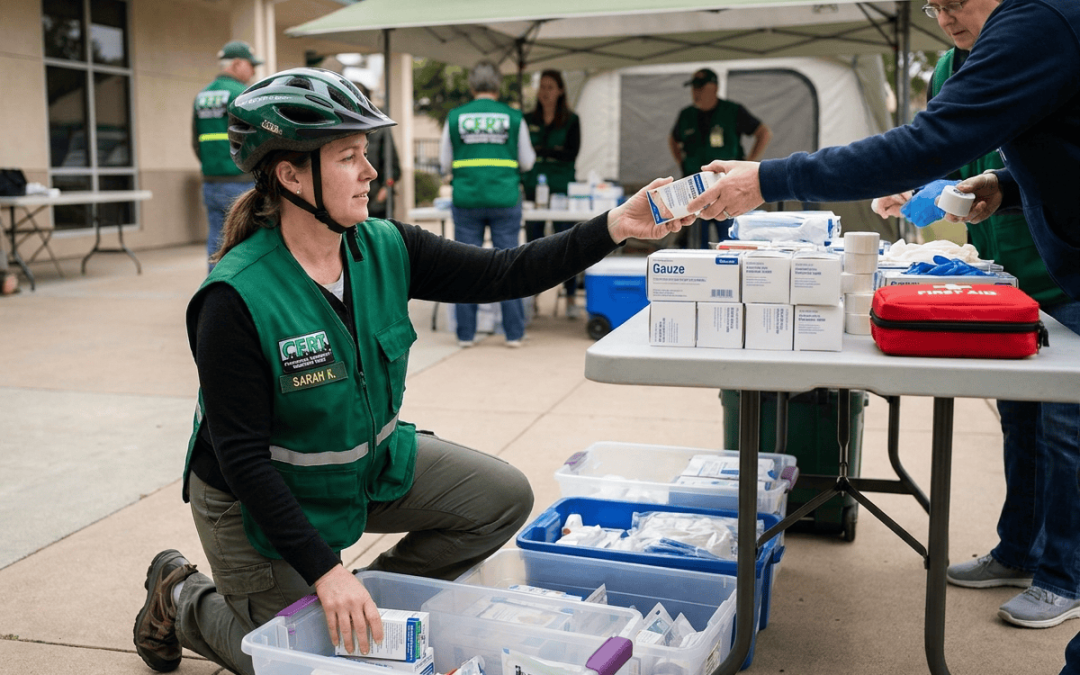
Emergency Medical Supply Management: Organizing and Maintaining CERT Resources
When disaster strikes, every second counts. As a Community Emergency Response Team (CERT) member, you know that having well-organized, readily accessible medical supplies can mean the difference between life and death. But here’s the thing – it’s not just about having supplies; it’s about knowing exactly where they are, ensuring they’re in working condition, and being able to deploy them efficiently when chaos unfolds around you.
I’ve seen too many emergency response scenarios where precious time was lost because medical supplies were scattered, expired, or simply couldn’t be located when needed most. That’s why effective emergency medical supply management isn’t just a best practice – it’s an absolute necessity for any CERT team serious about saving lives and serving their community effectively.

Understanding CERT Medical Supply Requirements
Before diving into organization strategies, let’s establish what constitutes a comprehensive CERT medical supply inventory. Your team’s medical kit should be more than just a glorified first aid box – it needs to handle everything from minor cuts to life-threatening injuries during extended emergency operations.
The foundation of any CERT medical supply system includes wound care materials like sterile gauze, medical tape, and various bandage sizes. You’ll also need trauma supplies such as tourniquets, chest seals, and emergency blankets. Don’t forget about basic medications like pain relievers, antihistamines, and glucose tablets for diabetic emergencies.
Personal protective equipment deserves special attention in your supply planning. Nitrile gloves, face masks, eye protection, and disposable gowns aren’t just recommended – they’re essential for protecting both responders and victims from cross-contamination. Remember, you can’t help others if you become a casualty yourself.
Diagnostic tools round out your essential supplies. A reliable blood pressure cuff, stethoscope, thermometers, and pulse oximeter can provide crucial information for triage decisions. These tools help you make informed decisions about treatment priorities when multiple casualties require attention simultaneously.
Creating an Effective Medical Supply Inventory System
A well-designed inventory system forms the backbone of efficient emergency medical supply management. Start by categorizing your supplies into logical groups: trauma care, wound management, medications, diagnostic equipment, and personal protective equipment. This categorization makes it easier for team members to locate specific items quickly during high-stress situations.
Implement a digital inventory tracking system that includes item descriptions, quantities, expiration dates, and storage locations. Spreadsheet software works well for smaller teams, while larger organizations might benefit from specialized inventory management applications. The key is choosing a system that’s simple enough for all team members to use consistently.
Color-coding your storage containers and inventory sheets can dramatically improve response times. For example, use red containers for trauma supplies, blue for medications, and green for diagnostic equipment. This visual system allows team members to quickly identify the supplies they need, even in low-light emergency conditions.
Establish minimum and maximum quantity thresholds for each supply category. When quantities drop below minimum levels, automatic reorder alerts help prevent dangerous shortages. Maximum levels prevent overstocking, which can lead to increased waste from expired supplies and unnecessary storage costs.
Strategic Storage and Organization Methods
How you store your medical supplies can make or break your emergency response capabilities. Climate-controlled storage is non-negotiable for medications and certain medical devices. Temperature fluctuations and humidity can compromise the effectiveness of critical supplies, potentially rendering them useless when lives depend on them.
Organize supplies using the “first in, first out” principle to minimize waste from expiration. Place newer supplies behind older ones, ensuring that items approaching their expiration dates get used first during training exercises or routine medical situations.
Create multiple supply caches strategically located throughout your response area. Having all supplies in one location creates a single point of failure – if that location becomes inaccessible during an emergency, your entire medical response capability disappears. Distribute supplies across several secure locations to ensure continued access regardless of local conditions.
Consider the weight and portability of your supply containers. During emergencies, you might need to carry supplies over difficult terrain or up multiple flights of stairs. Invest in lightweight, durable containers with comfortable handles and clear labeling visible from multiple angles.
Maintenance Schedules and Quality Assurance
Regular maintenance schedules prevent the heartbreak of discovering expired or damaged supplies during an actual emergency. Establish monthly inspection routines where team members check expiration dates, test electronic equipment, and verify that all supplies remain in good condition.
Create detailed maintenance checklists that cover every aspect of your medical supplies. Include battery checks for electronic devices, seal integrity for sterile packages, and functionality tests for mechanical equipment like blood pressure cuffs and stethoscopes. Document all maintenance activities to track patterns and identify potential problems before they become critical failures.
Rotation schedules ensure that supplies don’t sit unused until they expire. Use approaching-expiration medications and supplies during training exercises, replacing them with fresh stock. This practice maintains supply freshness while providing realistic training opportunities for team members.
Quality assurance goes beyond simple expiration date checks. Regularly inspect packaging for damage, verify that medications haven’t changed color or consistency, and ensure that all electronic devices function properly. A systematic approach to quality assurance builds confidence in your supplies and prevents dangerous surprises during emergency operations.
Technology Solutions for Supply Tracking
Modern technology offers powerful tools for managing emergency medical supplies more effectively than ever before. Barcode scanning systems allow for rapid inventory updates and reduce human error in record-keeping. Team members can quickly scan items as they’re used or restocked, maintaining real-time inventory accuracy.
Cloud-based inventory management systems provide access to supply information from any internet-connected device. This capability proves invaluable during large-scale emergencies when team members might be deployed across wide geographic areas. Everyone can see current supply levels and coordinate resource allocation efficiently.
Automated alert systems notify designated team members when supplies reach reorder points or approach expiration dates. These systems eliminate the guesswork from supply management and ensure that critical shortages don’t develop unnoticed.
Mobile applications designed specifically for emergency response can integrate inventory management with other operational needs like personnel tracking and incident reporting. Look for applications that work offline, as internet connectivity might be limited during major disasters.
Training Team Members on Supply Management
The best supply management system in the world is worthless if team members don’t know how to use it effectively. Regular training sessions should cover not just where supplies are located, but how to properly use the inventory system, maintain supply quality, and make field decisions about resource allocation.
Hands-on training exercises that simulate real emergency conditions help team members become comfortable with your supply management procedures. Practice scenarios should include low-light conditions, time pressure, and multiple casualty situations that mirror actual emergency challenges.
Cross-training ensures that multiple team members can handle supply management responsibilities. Don’t rely on a single person to manage your entire medical supply system – that creates a dangerous vulnerability if that person becomes unavailable during an emergency.
Documentation and standard operating procedures should be clear, concise, and easily accessible. Create quick-reference guides that team members can consult during emergencies without having to remember complex procedures. Laminated cards work well for field use and resist damage from weather and handling.
Budget Planning and Cost-Effective Procurement
Effective supply management requires careful attention to budget constraints while maintaining adequate preparedness levels. Develop annual budgets that account for routine supply replacement, equipment upgrades, and emergency restocking needs. Planning ahead prevents financial surprises and ensures consistent supply availability.
Bulk purchasing can significantly reduce per-unit costs for non-perishable supplies. Coordinate with other CERT teams or emergency response organizations to leverage group buying power. However, balance bulk savings against storage limitations and expiration concerns for items with shorter shelf lives.
Establish relationships with multiple suppliers to ensure supply chain reliability. Having backup suppliers prevents shortages when primary vendors experience disruptions. Maintain current contact information and ordering procedures for all suppliers in your emergency response plans.
Consider grant opportunities and donations to supplement your supply budget. Many organizations and foundations provide funding for community emergency preparedness initiatives. Government grants, corporate sponsorships, and community fundraising can help stretch your supply budget significantly.
Managing emergency medical supplies effectively requires dedication, attention to detail, and systematic approaches that prioritize both efficiency and reliability. The investment in proper organization and maintenance pays dividends when your community faces its darkest hours. Remember that your CERT team’s medical supplies represent hope and healing for disaster victims – treat them with the respect and care they deserve.
By implementing comprehensive inventory systems, maintaining rigorous quality standards, and training team members thoroughly, you’re building a foundation for effective emergency response that can save lives and reduce suffering in your community. The time you spend organizing and maintaining your medical supplies today directly translates into lives saved and families reunited when disaster strikes tomorrow.
Frequently Asked Questions
How often should CERT medical supplies be inspected?
CERT medical supplies should be inspected monthly for expiration dates and condition, with more detailed quarterly inspections for equipment functionality and storage conditions. Critical items like medications and sterile supplies may require more frequent monitoring.
What’s the recommended shelf life for emergency medical supplies?
Most bandages and gauze have 3-5 year shelf lives when stored properly, while medications typically expire within 2-3 years. Always follow manufacturer guidelines and replace items before expiration dates to ensure effectiveness during emergencies.
How much medical supply inventory should a CERT team maintain?
A good rule of thumb is maintaining supplies for treating 50-100 casualties for basic care, with trauma supplies for 10-20 serious injuries. Adjust quantities based on your community size, risk assessment, and response area coverage.
Can expired medical supplies ever be used in emergencies?
While some expired supplies may retain effectiveness, using expired medical supplies creates liability issues and potentially compromises patient care. Focus on proper rotation and inventory management to prevent having expired supplies during emergencies.
What’s the best way to secure medical supplies from theft or damage?
Store supplies in locked, climate-controlled facilities with limited access. Use security systems when possible, and consider insurance coverage for your medical supply inventory. Distribute supplies across multiple locations to prevent total loss from single incidents.