
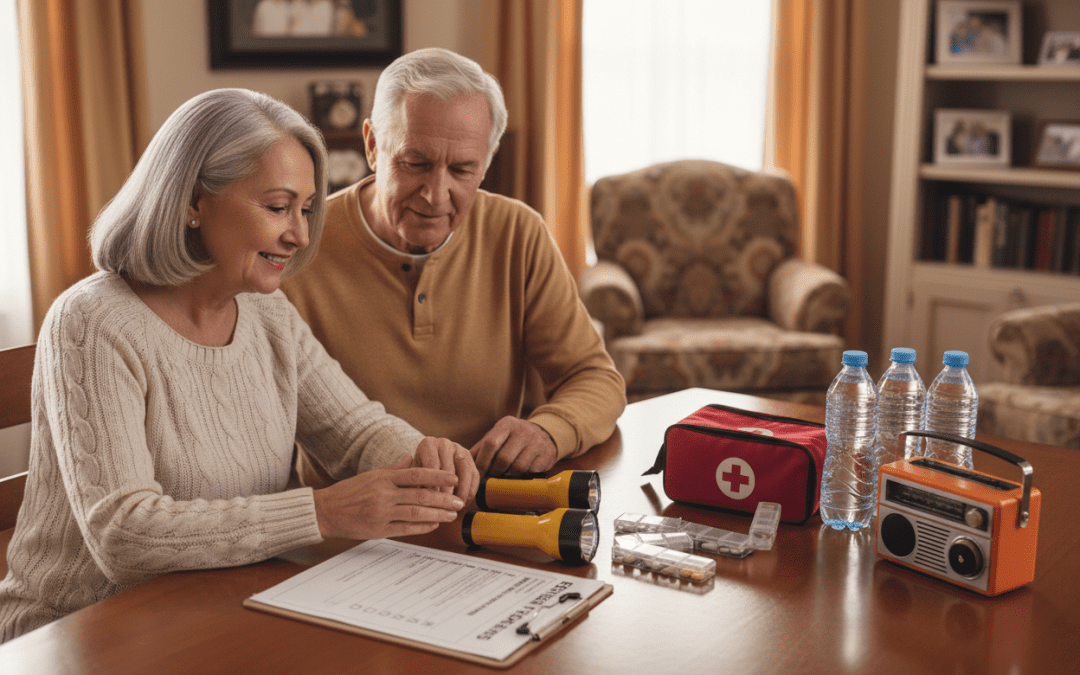
Home Preparedness for Seniors: Age-Specific Emergency Planning Considerations
When disaster strikes, every second counts. But for seniors, emergency preparedness takes on unique dimensions that younger adults might not consider. Whether it’s a power outage during a heat wave, a natural disaster, or a medical emergency, older adults face distinct challenges that require thoughtful planning and specialized preparation strategies.
As we age, our needs evolve, and so should our emergency plans. The medications we depend on, the mobility aids we use, and the health conditions we manage all become critical factors in emergency situations. Creating an age-appropriate emergency plan isn’t just about survival—it’s about maintaining dignity, health, and peace of mind during uncertain times.
Understanding Senior-Specific Emergency Risks
Seniors face heightened vulnerabilities during emergencies that extend beyond the typical concerns most people consider. Age-related changes in vision, hearing, mobility, and cognitive function can significantly impact how quickly and effectively an older adult responds to emergency situations. Additionally, chronic health conditions like diabetes, heart disease, or respiratory issues can become life-threatening when regular medical care is disrupted.
Social isolation presents another significant risk factor. Many seniors live alone or have limited social networks, which means they may not have immediate assistance available during emergencies. This isolation can delay rescue efforts and complicate recovery processes. Understanding these unique vulnerabilities is the first step in creating an effective emergency preparedness plan tailored to senior needs.
Essential Medical Preparedness for Older Adults
Medical preparedness forms the cornerstone of senior emergency planning. Start by creating a comprehensive medical information packet that includes current medications, dosages, prescribing physicians, medical conditions, allergies, and emergency contacts. Keep copies in waterproof containers both at home and in your emergency kit.
Medication management becomes critical during extended emergencies. Maintain at least a 30-day supply of all prescription medications, and if possible, work with your healthcare provider to obtain a 90-day emergency supply. Store medications in their original containers with clear labels, and rotate stock regularly to ensure freshness. Don’t forget about medical devices—ensure you have backup batteries for hearing aids, glucose monitors, or other electronic medical equipment.
Consider creating a medical summary card for your wallet that lists critical information like blood type, major medical conditions, emergency medications like insulin or nitroglycerin, and emergency contacts. This information could be lifesaving if you’re unable to communicate during a medical emergency.
Mobility and Accessibility Considerations
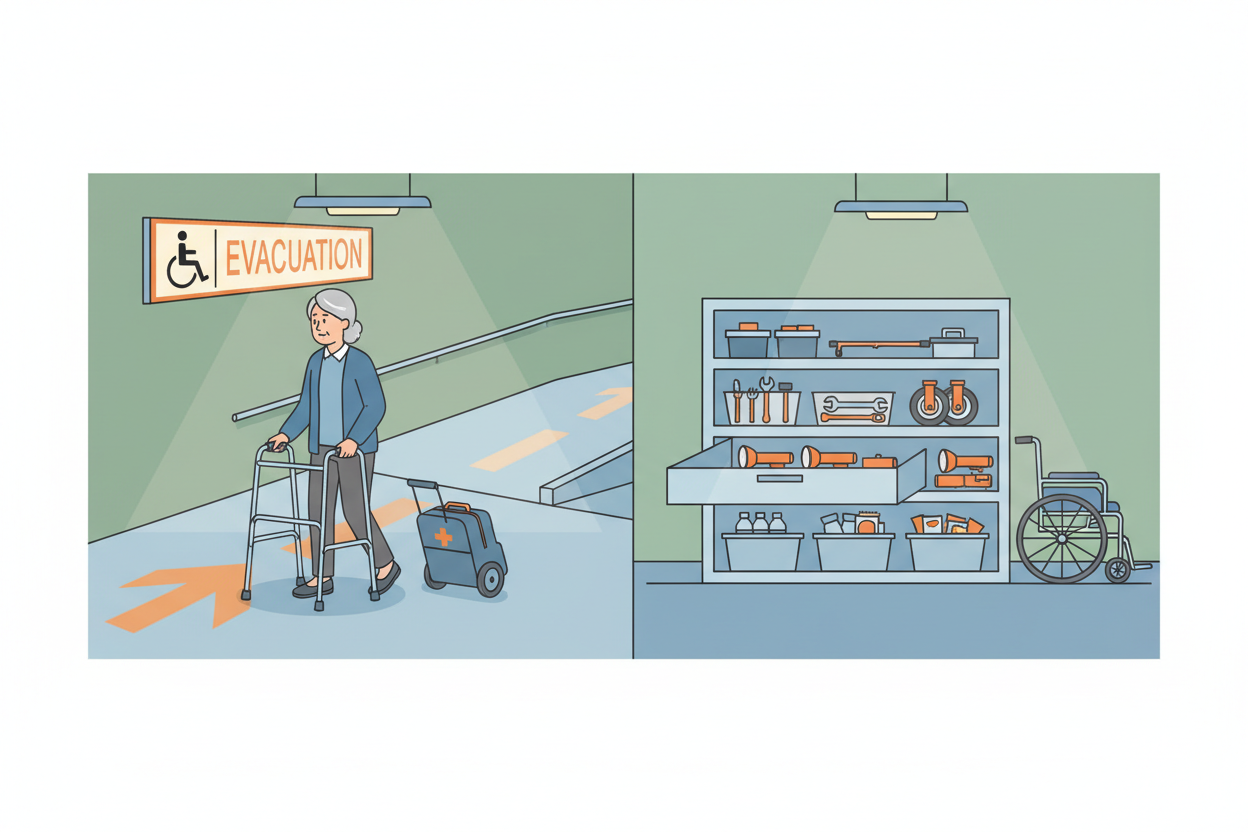
Emergency evacuation plans must account for mobility limitations that many seniors experience. If you use a wheelchair, walker, or cane, ensure your emergency kit includes backup equipment or repair supplies. Practice evacuation routes regularly, timing how long it takes to move through your home and identifying potential obstacles.
For seniors with significant mobility challenges, consider installing emergency alert systems or medical alert devices that can summon help even when phone lines are down. These systems often include GPS tracking and can communicate your location to emergency responders even if you cannot speak.
Make sure your emergency supplies are stored in easily accessible locations. Heavy items should be stored at waist level to avoid bending or reaching. Consider using wheeled containers for emergency supplies to make transportation easier during an evacuation.
Communication Plans for Senior Safety
Effective communication planning takes on added importance for seniors, especially those with hearing or vision impairments. Establish multiple ways to receive emergency alerts, including weather radios with flashing lights, smartphone apps with vibration alerts, and television emergency broadcast systems.
Create a communication tree that includes family members, neighbors, healthcare providers, and local emergency services. Ensure multiple people have keys to your home and know your medical needs. Consider designating an out-of-state contact who can serve as a central communication point for scattered family members during widespread emergencies.
If you have hearing difficulties, ensure your emergency kit includes extra batteries for hearing aids and consider visual alert systems for smoke detectors and emergency notifications. For those with vision impairments, practice navigating your home in darkness and consider tactile markers for important emergency supplies.
Building a Senior-Focused Emergency Kit
While basic emergency kits include standard items like water, food, and flashlights, seniors need additional considerations. Include comfort items that provide emotional support during stressful times—perhaps a favorite book, photos of loved ones, or a cherished memento.
Pack extra eyeglasses or contact lenses, and include magnifying glasses for reading small print on medication labels or emergency instructions. Include easy-to-open food items, as arthritis or reduced hand strength can make traditional can openers challenging to use.
Consider including adult incontinence products, extra clothing in comfortable fabrics, and additional blankets, as seniors are more susceptible to temperature changes. A battery-powered or hand-crank radio becomes especially important for seniors who may not have smartphone access or comfort with technology.
Technology Solutions for Senior Emergency Preparedness
Modern technology offers numerous solutions specifically designed for senior safety, but the key is choosing user-friendly options that won’t become obstacles during high-stress situations. Medical alert systems have evolved beyond simple pendant alarms to include fall detection, GPS tracking, and two-way communication capabilities.
Smartphone apps can provide weather alerts, emergency notifications, and direct communication with family members. However, ensure any technology solutions are simple enough to use during emergencies and have backup power sources. Consider large-button phones or simplified smartphones designed for seniors if regular smartphones prove challenging.
Smart home technology can also enhance senior safety through automated lighting, door locks, and environmental monitoring systems. These systems can alert family members or emergency services to unusual patterns that might indicate a problem.
Creating Support Networks and Community Connections
No emergency plan is complete without a strong support network. Cultivate relationships with neighbors, especially those who live nearby and could provide immediate assistance. Consider joining or forming a neighborhood emergency response group where community members look out for each other during disasters.
Register with your local emergency management office if they maintain special needs registries. Many communities keep lists of residents who may need additional assistance during emergencies, including seniors with mobility issues or those who rely on electric-powered medical equipment.
Faith-based organizations, senior centers, and community groups often provide emergency assistance networks. Building these connections before emergencies occur ensures you’ll have multiple sources of support when needed.
Regular Plan Review and Practice
Emergency preparedness isn’t a one-time activity—it requires regular review and updates as health conditions, medications, and living situations change. Schedule quarterly reviews of your emergency plan, checking expiration dates on medications and food supplies, testing equipment batteries, and updating contact information.
Practice your emergency procedures regularly, but don’t make it stressful. Turn practice sessions into family activities or community events. Time your evacuation routes, practice using emergency equipment, and review communication procedures with family members.
As health conditions change, update your emergency plan accordingly. New medications, mobility aids, or medical devices all require plan modifications. Keep healthcare providers informed about your emergency preparedness efforts—they may have additional suggestions specific to your health needs.
Conclusion
Emergency preparedness for seniors requires thoughtful consideration of age-specific needs and challenges, but it’s entirely achievable with proper planning. The key is starting early, building comprehensive plans that address medical needs, mobility considerations, and communication requirements, and maintaining those plans through regular review and practice.
Remember that emergency preparedness is an investment in independence and peace of mind. By taking proactive steps now, seniors can maintain greater control over their safety and well-being during uncertain times. Don’t let age be a barrier to effective emergency preparedness—let it be a motivator to create an even more thorough and thoughtful plan.
The most important step is the first one. Start with a basic plan and build from there, involving family members, healthcare providers, and community resources in the process. Your future self will thank you for the time and effort invested in comprehensive emergency preparedness today.
Frequently Asked Questions
How much medication should seniors keep in their emergency kit?
Seniors should maintain at least a 30-day supply of all prescription medications in their emergency kit, with a 90-day supply being ideal if possible. Work with your healthcare provider and pharmacist to obtain emergency medication supplies, and remember to rotate stock regularly to ensure medications remain fresh and effective.
What special considerations should seniors with mobility aids have for emergency evacuation?
Seniors using wheelchairs, walkers, or canes should have backup equipment or repair supplies in their emergency kit. Practice evacuation routes regularly, identify potential obstacles, and consider installing ramps or other accessibility modifications. Ensure emergency supplies are stored in easily accessible locations and use wheeled containers when possible.
How can seniors with hearing or vision impairments prepare for emergency alerts?
Seniors with hearing impairments should have multiple alert systems including weather radios with flashing lights, smartphone apps with vibration alerts, and visual smoke detectors. Those with vision impairments should practice navigating their home in darkness, use tactile markers for emergency supplies, and keep extra eyeglasses or magnifying glasses in their emergency kit.
Should seniors inform their local emergency services about their special needs?
Yes, many communities maintain special needs registries for residents who may require additional assistance during emergencies. Contact your local emergency management office to register, and provide information about mobility limitations, medical equipment dependencies, or other factors that might affect emergency response.
How often should seniors update their emergency preparedness plans?
Emergency plans should be reviewed quarterly at minimum, with immediate updates when health conditions, medications, or living situations change. Regular practice sessions help ensure the plan remains effective and that all family members understand their roles in emergency situations.