
How to Join Your Local CERT Team: A Complete Beginner’s Guide
When disaster strikes your community, would you know how to help? Whether it’s a natural disaster, power outage, or other emergency, having trained volunteers ready to assist can make all the difference. That’s where Community Emergency Response Teams (CERT) come in. These groups of dedicated volunteers receive training to help their neighbors during emergencies, and joining one might be one of the most rewarding decisions you’ll ever make.
If you’ve been wondering how to get involved in emergency preparedness or want to make a meaningful contribution to your community’s safety, this comprehensive guide will walk you through everything you need to know about joining your local CERT team. From understanding what CERT is all about to completing your training and becoming an active member, we’ll cover it all.
What Is CERT and Why Does It Matter?
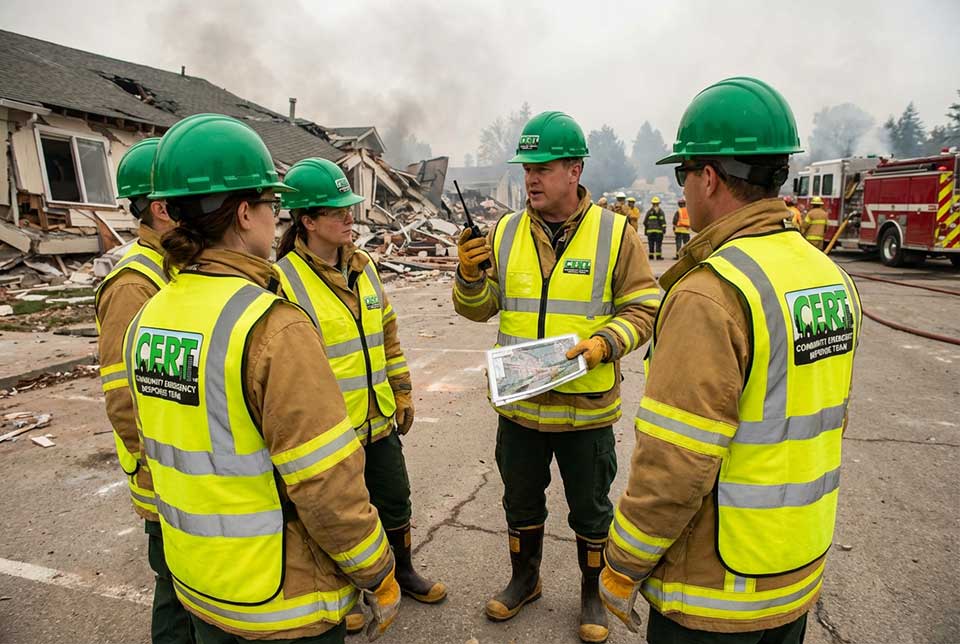
Community Emergency Response Team (CERT) is a nationwide program that trains volunteers to assist their communities during emergencies and disasters. Originally developed by the Los Angeles City Fire Department in 1985, CERT has grown into a federal program managed by the Federal Emergency Management Agency (FEMA) and implemented by local emergency management agencies across the United States.
The program recognizes that professional first responders may not be immediately available during large-scale emergencies. When disasters overwhelm professional emergency services, CERT volunteers can provide critical assistance to their neighbors and help reduce the overall impact on their communities.
CERT volunteers are trained in basic disaster response skills including fire safety, light search and rescue, team organization, and medical operations. They learn to work as a team to help the greatest number of people while ensuring their own safety. The training emphasizes doing the most good for the most people with the least risk to volunteers themselves.
Who Can Join a CERT Team?
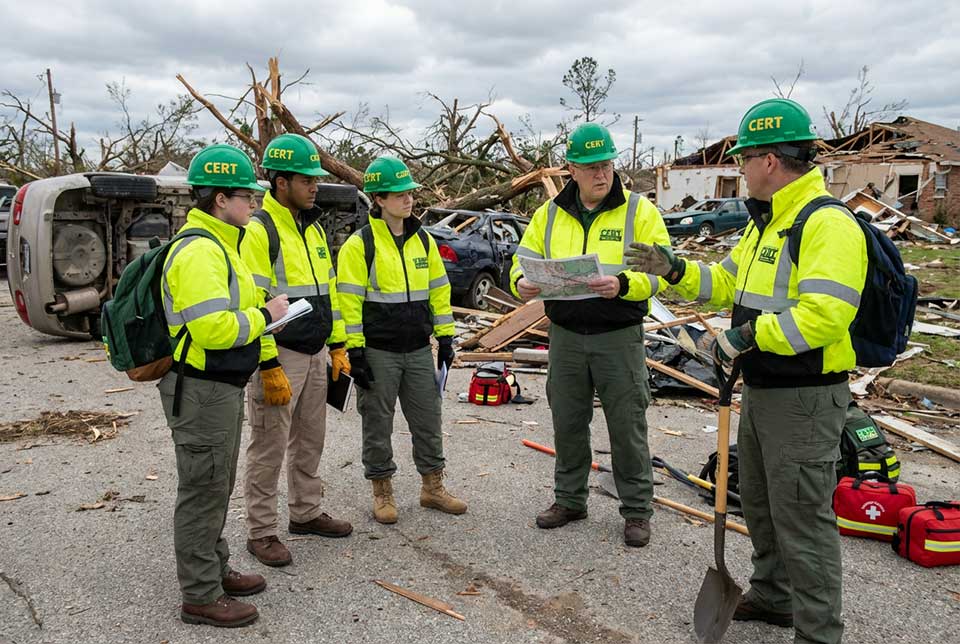
One of the beautiful aspects of CERT is its inclusivity. The program welcomes volunteers from all walks of life, regardless of age, physical ability, or background. While specific requirements may vary slightly between communities, most CERT programs accept participants who are at least 18 years old, though some programs offer youth versions for teenagers.
You don’t need any special skills, medical training, or emergency experience to join. The program is designed to train ordinary citizens to become extraordinary volunteers. Whether you’re a retiree looking for a meaningful way to give back, a working professional wanting to learn emergency skills, or a stay-at-home parent interested in community safety, CERT has a place for you.
Physical fitness requirements are minimal since CERT emphasizes personal safety and working within your capabilities. The training can be adapted for people with various physical limitations, and there are many roles within a CERT team that don’t require physical exertion.
Finding Your Local CERT Program
Locating your local CERT program is easier than you might think. Most communities have established programs, though they may operate under different names or organizational structures. Here’s how to find yours:
Start by visting the Deploy Pro CERT team directory to see if a CERT team is listed near you.
Next, try contacting your local emergency management office, fire department, or city hall. Many programs maintain websites with contact information and upcoming training schedules. You can also search online using terms like “CERT training” followed by your city or county name.
Social media platforms often host local CERT group pages where you can connect with current volunteers and learn about upcoming activities.
If you can’t find an active program in your immediate area, don’t give up. Some programs serve multiple communities or counties. You might also consider starting a program in your community if there’s sufficient interest and support from local emergency management officials.
Understanding the CERT Training Process
CERT training typically consists of about 20 hours of instruction, usually spread over several weeks in evening or weekend sessions. The standardized curriculum covers eight main units, each building on the previous one to create a comprehensive foundation in emergency response.
The first unit covers disaster preparedness, helping you understand different types of hazards and how to prepare your own family for emergencies. You’ll learn about creating emergency plans, assembling disaster supply kits, and identifying potential hazards in your area.
Fire safety training teaches you how to use fire extinguishers safely and effectively, understand different types of fires, and know when it’s safe to attempt firefighting versus when to evacuate. This hands-on training often includes practice with actual fire extinguishers.
Medical operations training covers basic first aid and triage principles. You’ll learn how to assess injuries, provide basic care, and organize medical care during disasters when professional medical help may be delayed or overwhelmed.
Light search and rescue training focuses on safely locating and extricating victims from damaged structures. This includes understanding building construction, recognizing structural hazards, and using proper lifting and moving techniques.
The psychology of disaster unit helps you understand how people react during emergencies and how to provide emotional support to disaster victims and fellow volunteers. Team organization teaches you how CERT teams are structured and how to work effectively as part of a coordinated response.
The final unit often includes a disaster simulation exercise where you can practice all the skills you’ve learned in a realistic scenario. This hands-on experience helps build confidence and identifies areas where additional practice might be helpful.
What to Expect During Training
CERT training is designed to be accessible and engaging for participants with varying backgrounds and experience levels. Classes typically combine classroom instruction with hands-on practice, making the learning experience both educational and enjoyable.
Most programs provide all necessary training materials, including manuals, supplies for practice exercises, and safety equipment. You should wear comfortable clothing and closed-toe shoes, as some activities involve physical practice.
Instructors are usually experienced emergency responders, CERT program managers, or seasoned volunteers who bring real-world experience to the classroom. They understand that participants are volunteers learning new skills and create supportive learning environments.
Don’t worry if some concepts seem challenging at first. The training is designed to build skills gradually, and instructors expect questions and provide plenty of opportunities for clarification. Many participants find that working with fellow trainees helps reinforce learning and builds the teamwork skills essential for effective emergency response.
Costs and Time Commitment
One of the most attractive aspects of CERT training is that it’s typically offered free of charge or very inexpensive to participants. Many local emergency management agencies, fire departments, or other sponsoring organizations cover the costs of instruction, materials, and basic equipment.
The time commitment for initial training is manageable for most people. Twenty hours spread over multiple means it’s broken up in to easier to manage classes. Many programs offer multiple training cycles throughout the year to accommodate different schedules.
After completing basic training, the ongoing time commitment is flexible and largely up to you. Some volunteers participate in monthly meetings and occasional training exercises, while others become more heavily involved in program coordination or specialized training. Most programs understand that volunteers have varying availability and appreciate any level of participation.
Getting the Most Out of Your CERT Experience
To maximize your CERT training experience, come prepared to learn and participate actively. Ask questions when you don’t understand something, and don’t hesitate to request additional practice with skills that feel challenging.
Take advantage of opportunities to connect with fellow participants and existing CERT members. These relationships often become valuable sources of ongoing learning and support. Many lifelong friendships have formed through CERT training and activities.
Consider how you might apply CERT skills beyond disaster response. Many techniques you’ll learn, such as first aid and emergency preparedness, are valuable in everyday situations. Some participants find that CERT training gives them confidence to help in non-disaster emergencies they encounter in their daily lives.
Stay engaged after completing basic training by participating in refresher exercises, advanced training opportunities, and team activities. Skills require practice to maintain, and ongoing involvement helps you stay current with program developments and maintain connections with your team.
Beyond Basic Training: Continuing Your CERT Journey
Completing basic CERT training is just the beginning of your journey as a community emergency response volunteer. Many programs offer advanced training in specialized areas such as amateur radio communications, advanced first aid, or specific hazard response.
Some volunteers become instructors themselves, helping to train new CERT members in their communities. Others take on leadership roles within their teams or assist with program coordination and planning.
CERT volunteers often participate in community events, emergency preparedness fairs, and public education activities. These opportunities allow you to share your knowledge with neighbors and promote emergency preparedness in your community.
Many CERT programs also participate in mutual aid agreements with neighboring communities, providing opportunities to assist with disaster response beyond your immediate area when resources permit.
Making a Real Difference in Your Community
Joining CERT isn’t just about learning emergency response skills; it’s about becoming part of a community of people committed to helping their neighbors. CERT volunteers have made significant contributions during hurricanes, wildfires, floods, and other disasters across the country.
Even when major disasters don’t occur, CERT volunteers contribute to community resilience through preparedness education, emergency planning, and building networks of trained, committed citizens. The peace of mind that comes from knowing your community has trained volunteers ready to help is valuable in itself.
Your participation in CERT also benefits your own family’s preparedness. The skills and knowledge you gain will help you better protect and care for your loved ones during emergencies, and your involvement often motivates family members to become more prepared as well.
Conclusion
Joining your local CERT team is one of the most meaningful ways to contribute to your community’s safety and resilience. The training you’ll receive will give you valuable skills, confidence, and connections that extend far beyond emergency response. Whether you’re motivated by a desire to help others, interest in learning new skills, or commitment to community service, CERT offers an opportunity to make a real difference.
The process of joining is straightforward, the training is accessible and engaging, and the ongoing commitment is flexible enough to fit most lifestyles. Most importantly, you’ll become part of a nationwide network of volunteers who understand that strong communities are built by citizens who care enough to prepare and help their neighbors.
Don’t wait for a disaster to wish you had emergency response skills. Take the first step today by contacting your local CERT program and signing up for the next training cycle. Your community needs volunteers like you, and you might be surprised by how much you gain from the experience.
Frequently Asked Questions
How long does CERT training take to complete?
Standard CERT training consists of approximately 20 hours of instruction, typically spread over 2-8 weeks.
Do I need any special equipment or gear to join CERT?
No special equipment is required to begin training. Most programs provide basic safety equipment like hard hats, safety vests, and gloves upon completion of training. You should wear comfortable clothes and closed-toe shoes during training sessions.
Is there an age limit for CERT participation?
Most programs accept participants who are 18 years or older. Some communities offer Teen CERT programs for high school students. There’s typically no upper age limit, and many programs have active volunteers in their 70s and 80s.
What happens if I miss a training session?
Most programs allow participants to make up missed sessions by attending the same session in a future training cycle or through individual instruction. Contact your program coordinator to arrange makeup sessions if needed.
Am I required to respond to emergencies once I’m trained?
CERT participation is entirely voluntary. You’re never required to respond to any emergency, and you should only participate in activities where you feel safe and comfortable. Many CERT volunteers choose when and how they want to participate based on their availability and comfort level.
Does CERT training qualify me to work as a professional first responder?
CERT training provides basic emergency response skills for volunteers but does not qualify participants for professional first responder positions. However, the training can be a valuable foundation if you’re interested in pursuing careers in emergency services, firefighting, or emergency medical services.