
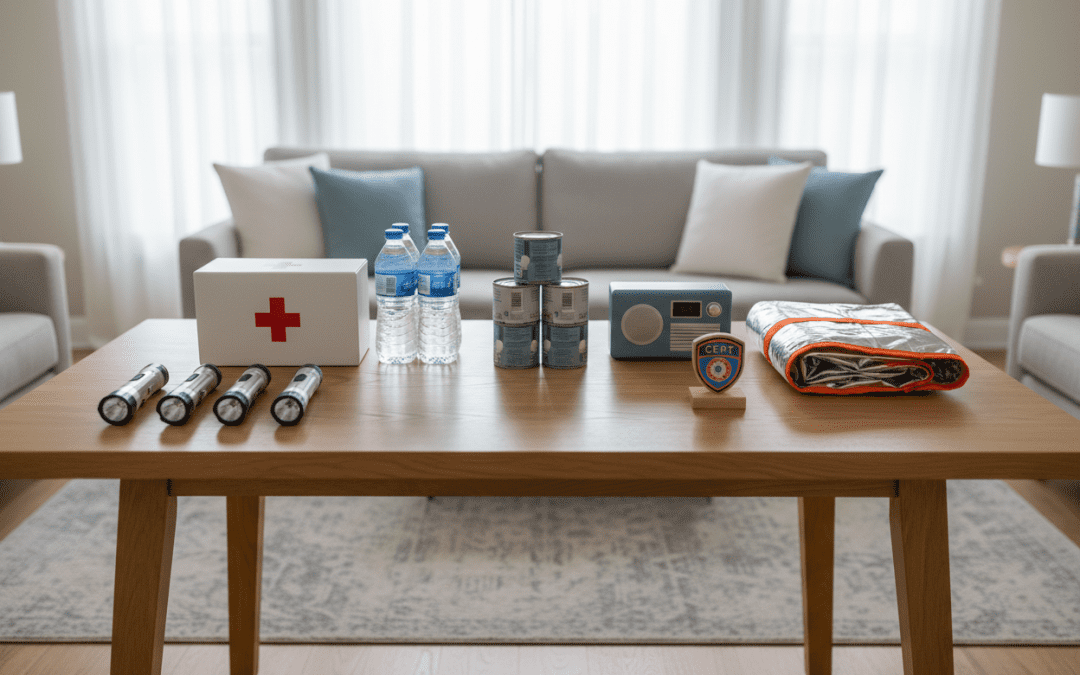
The Ultimate Home Preparedness Checklist: CERT-Recommended Emergency Supplies
When disaster strikes, the difference between chaos and calm often comes down to one thing: preparation. As someone who’s witnessed firsthand how quickly life can change during unexpected emergencies, I can’t stress enough the importance of having a well-stocked emergency kit ready at all times. The Community Emergency Response Team (CERT) program, backed by FEMA, provides invaluable guidance on what every household should have on hand when the unexpected happens.
Whether you’re dealing with natural disasters like hurricanes, earthquakes, or wildfires, or facing unexpected power outages and supply chain disruptions, having CERT-approved emergency supplies can literally be a lifesaver. This comprehensive guide will walk you through everything you need to create a robust emergency preparedness plan that meets professional standards while remaining practical for everyday families.
Understanding CERT Standards for Emergency Preparedness
The Community Emergency Response Team program was developed to help communities prepare for and respond to disasters effectively. CERT training emphasizes the importance of self-sufficiency during the critical first 72 hours after an emergency, when professional first responders might be overwhelmed or unable to reach everyone immediately.
CERT-recommended emergency supplies focus on meeting basic human needs: water, food, shelter, safety, and communication. These standards aren’t arbitrary recommendations – they’re based on decades of disaster response experience and real-world scenarios where proper preparation made the difference between life and death.
The beauty of following CERT guidelines is that they strike a balance between comprehensive coverage and practical implementation. You don’t need to break the bank or turn your home into a bunker. Instead, these recommendations help you build a sensible emergency supply kit that can sustain your family during various types of disasters.
Essential Water Storage and Purification Supplies
Water is your absolute top priority in any emergency situation. The human body can survive weeks without food, but only days without water. CERT standards recommend storing at least one gallon of water per person per day, with a minimum three-day supply for each family member.
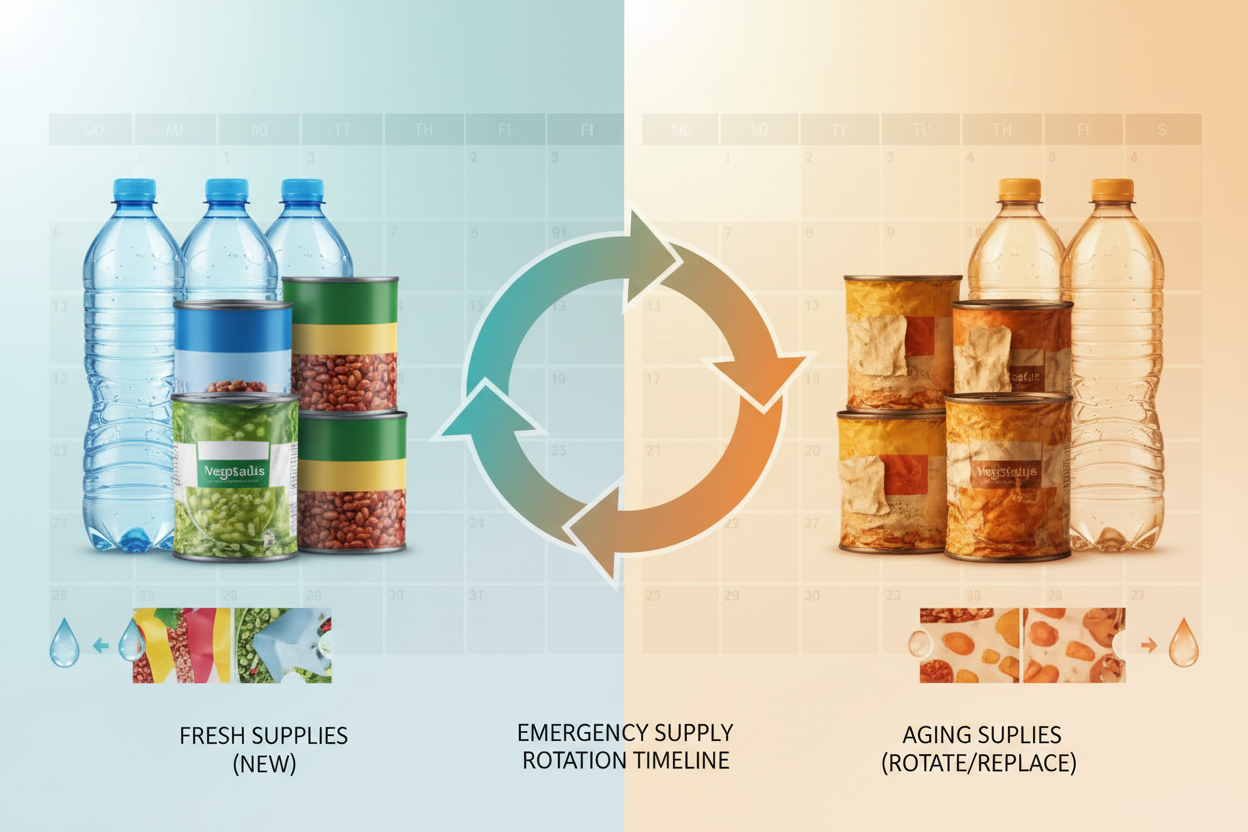
For a family of four, this means having at least 12 gallons of water stored safely in your home. However, experienced preppers often recommend extending this to a two-week supply when space allows. Store water in food-grade containers, rotating your supply every six months to ensure freshness.
Beyond stored water, invest in reliable water purification methods. Water purification tablets, portable water filters, and UV sterilization devices can turn questionable water sources into safe drinking water. I personally keep both water purification tablets and a high-quality portable filter in my emergency kit – redundancy is key when it comes to water safety.
Don’t forget about water for sanitation and cooking. While drinking water is the priority, having additional water for basic hygiene and food preparation can significantly improve your family’s comfort and health during an extended emergency.
CERT-Recommended Food Storage Solutions
Emergency food storage goes far beyond throwing a few canned goods in a closet. CERT guidelines emphasize foods that require no cooking, little water, and no special preparation. Your emergency food supply should provide adequate nutrition while remaining shelf-stable for extended periods.
Focus on non-perishable items with long shelf lives: canned meats, fruits, and vegetables; dried fruits and nuts; granola bars and energy bars; peanut butter; crackers; and ready-to-eat cereals. These foods provide essential calories, proteins, and nutrients without requiring refrigeration or extensive preparation.
Consider special dietary needs within your family. If someone has diabetes, food allergies, or other medical conditions requiring specific nutrition, stock appropriate emergency foods. Baby formula, pet food, and comfort foods for children should also be part of your planning.
Rotate your emergency food supply regularly, using and replacing items before they expire. This practice, known as “first in, first out,” ensures your emergency food remains fresh and edible when you need it most. Many families integrate emergency food rotation into their regular meal planning, making preparedness a natural part of daily life.
Critical Safety and First Aid Equipment
A comprehensive first aid kit forms the backbone of your emergency medical preparedness. CERT training emphasizes the importance of being able to treat injuries and medical emergencies when professional help might be delayed or unavailable.
Your first aid kit should include basic wound care supplies: adhesive bandages in various sizes, sterile gauze pads, medical tape, antiseptic wipes, and antibiotic ointment. Add emergency medications like pain relievers, anti-diarrheal medication, and any prescription medications your family members require.
Beyond basic first aid, consider safety equipment that can prevent injuries during disasters. Battery-powered or hand-crank radios keep you connected to emergency broadcasts, while flashlights and extra batteries ensure you can navigate safely in the dark. Emergency blankets, also known as space blankets, provide crucial warmth and can prevent hypothermia.
Don’t overlook tools that can help you escape dangerous situations or signal for help. A whistle can alert rescuers to your location, while a multi-tool or Swiss Army knife provides versatility for various emergency tasks. Fire extinguishers, smoke detectors with fresh batteries, and carbon monoxide detectors are essential for home safety during normal times and emergencies alike.
Communication and Documentation Essentials
During emergencies, staying informed and maintaining communication with the outside world can be crucial for your safety and peace of mind. CERT protocols emphasize having multiple communication methods since traditional phone and internet services often fail during disasters.
A battery-powered or hand-crank emergency radio provides access to emergency broadcasts, weather updates, and critical information from authorities. Many modern emergency radios also include phone charging capabilities, flashlights, and even solar panels for extended use.
Keep important documents in a waterproof container or safe. Include copies of identification documents, insurance policies, bank account records, and medical information. Having these documents readily available can significantly speed up recovery efforts and insurance claims after a disaster.
Create a family communication plan that includes out-of-state contact information. During local disasters, it’s often easier to call long-distance than to make local calls. Ensure every family member knows the plan and has important phone numbers memorized or written down in multiple locations.
Power and Lighting Solutions for Extended Outages
Extended power outages are common during many types of disasters, making reliable lighting and power sources essential components of your emergency preparedness kit. CERT recommendations focus on safe, reliable options that don’t pose additional risks during already dangerous situations.
LED flashlights have largely replaced traditional incandescent models due to their superior battery life and durability. Keep multiple flashlights in different areas of your home, and ensure you have plenty of extra batteries. Headlamps are particularly useful because they keep your hands free for other tasks.
Consider alternative lighting options like battery-powered lanterns for area lighting and glow sticks for safe, temporary illumination. Avoid candles during emergencies due to fire risks, especially when dealing with gas leaks or structural damage.
For longer-term power needs, portable power banks can keep small electronic devices charged, while solar chargers provide renewable power for extended outages. Some families invest in portable generators, but these require careful consideration of ventilation, fuel storage, and safety protocols.
Shelter and Warmth Considerations
Your home provides your primary shelter during most emergencies, but disasters can damage structures or force evacuation. CERT-approved supplies include items that help maintain comfort and safety whether you’re sheltering in place or temporarily displaced.
Emergency blankets and sleeping bags provide warmth when heating systems fail. Choose sleeping bags rated for temperatures lower than you’d typically expect in your area – emergency situations often involve unexpected exposure to cold. Tarps and plastic sheeting can help seal damaged windows or create temporary shelter.
Extra clothing appropriate for your climate should be stored with your emergency supplies. Include sturdy shoes, warm clothing, rain gear, and work gloves. These items not only provide comfort but also protection when you need to venture outside during or after a disaster.
For families with infants or elderly members, consider additional comfort items like extra blankets, pillows, and any special equipment needed for their care. Maintaining some level of comfort during stressful times can significantly impact mental health and overall resilience.
Tools and Supplies for Emergency Repairs
Disasters often cause damage that requires immediate attention to prevent further problems or ensure safety. Having basic tools and repair supplies can help you address urgent issues while waiting for professional help.
A basic tool kit should include a hammer, screwdrivers, adjustable wrench, utility knife, and duct tape. These versatile tools can handle many common emergency repairs. Add plastic sheeting, rope or paracord, and zip ties for temporary fixes to damaged roofs, windows, or other structures.
Shut-off tools for gas, water, and electricity are crucial safety items. Learn how to use these tools before an emergency occurs, and ensure all adult family members know their locations and proper use. Quick action to shut off utilities can prevent additional damage or dangerous situations.
Consider your specific home and region when selecting emergency tools. Earthquake-prone areas might need pry bars for debris removal, while hurricane regions might require chainsaw equipment for clearing fallen trees. Tailor your tool selection to the most likely scenarios you might face.
Creating Your Personal Emergency Action Plan
Having supplies is only part of effective emergency preparedness – you also need a clear plan for how to use them. CERT training emphasizes the importance of practicing your emergency response before you need it.
Develop evacuation routes from your home and neighborhood, identifying multiple paths in case primary routes are blocked. Practice these routes with your family, including pets, and time how long evacuation takes with your emergency supplies.
Create specific plans for different types of emergencies. Earthquake response differs significantly from hurricane preparation, and your family should understand the appropriate actions for various scenarios. Regular family meetings to review and update these plans keep everyone informed and confident.
Establish meeting points both near your home and outside your neighborhood. If family members are separated during an emergency, having predetermined meeting locations eliminates confusion and speeds reunification. Make sure these locations are known to all family members and easily accessible.
Maintenance and Updates for Long-Term Preparedness
Emergency preparedness isn’t a one-time project – it requires ongoing maintenance and updates to remain effective. CERT protocols emphasize regular review and rotation of supplies to ensure everything remains functional when needed.
Schedule quarterly reviews of your emergency supplies, checking expiration dates, battery levels, and equipment functionality. Replace expired items promptly, and test electronic equipment regularly. This routine maintenance prevents the disappointment of discovering failed equipment during an actual emergency.
Update your emergency plans as your family situation changes. New family members, changed work schedules, different living arrangements, or new medical conditions all require plan modifications. Keep contact information current, and ensure new family members receive proper training on emergency procedures.
Stay informed about new preparedness recommendations and technologies. Emergency preparedness best practices evolve based on lessons learned from recent disasters and advances in emergency equipment. Regular CERT training updates and community preparedness workshops provide valuable opportunities to enhance your knowledge and skills.
Conclusion
Building a comprehensive emergency preparedness kit based on CERT standards provides peace of mind and practical protection for your family. While the initial investment in supplies and planning might seem overwhelming, remember that preparedness is a gradual process that can be built over time.
Start with the basics – water, food, and first aid supplies – then gradually expand your kit based on your family’s specific needs and your region’s most likely disaster scenarios. The key is taking that first step and then consistently building upon your foundation.
Remember that emergency preparedness extends beyond just having supplies. Regular practice, family discussions, and community involvement through programs like CERT create a comprehensive approach to disaster readiness. When emergencies occur, you’ll be grateful for every minute spent preparing, and your family will be safer because of your foresight and planning.
Your emergency preparedness journey is an investment in your family’s safety and resilience. Start today, build gradually, and maintain your supplies regularly. When disaster strikes, you’ll have the confidence that comes from being truly prepared.
Frequently Asked Questions
How much should I expect to spend on a complete CERT-approved emergency kit?
A basic emergency kit for a family of four typically costs between $200-500, depending on the quality of supplies chosen. You can spread this cost over several months by purchasing items gradually. Focus on the most critical items first – water, basic food, and first aid supplies – then expand your kit over time.
How often should I rotate my emergency food and water supplies?
Water should be rotated every six months, while most emergency foods should be rotated annually or according to their expiration dates. Create a simple calendar reminder system to check and rotate supplies regularly. Many families integrate this rotation into their regular grocery shopping and meal planning.
Where should I store my emergency supplies in my home?
Store emergency supplies in a cool, dry location that’s easily accessible to all family members. Avoid areas prone to flooding, extreme temperatures, or difficult access during emergencies. Many families use a dedicated closet, basement area, or garage space. Consider storing smaller emergency kits in multiple locations throughout your home.
Do I need different emergency kits for different types of disasters?
While the core supplies remain the same, some disasters require specific additions. For example, earthquake kits might include pry bars and dust masks, while hurricane preparations might emphasize extra water storage and window protection materials. Build a comprehensive base kit, then add disaster-specific items based on your region’s most likely threats.
How can I involve my children in emergency preparedness without frightening them?
Present emergency preparedness as a family responsibility and adventure rather than focusing on scary scenarios. Let children help pack emergency kits, practice evacuation routes as games, and teach them basic safety skills through age-appropriate activities. Emphasize that preparation helps keep the family safe and together, building confidence rather than fear.