
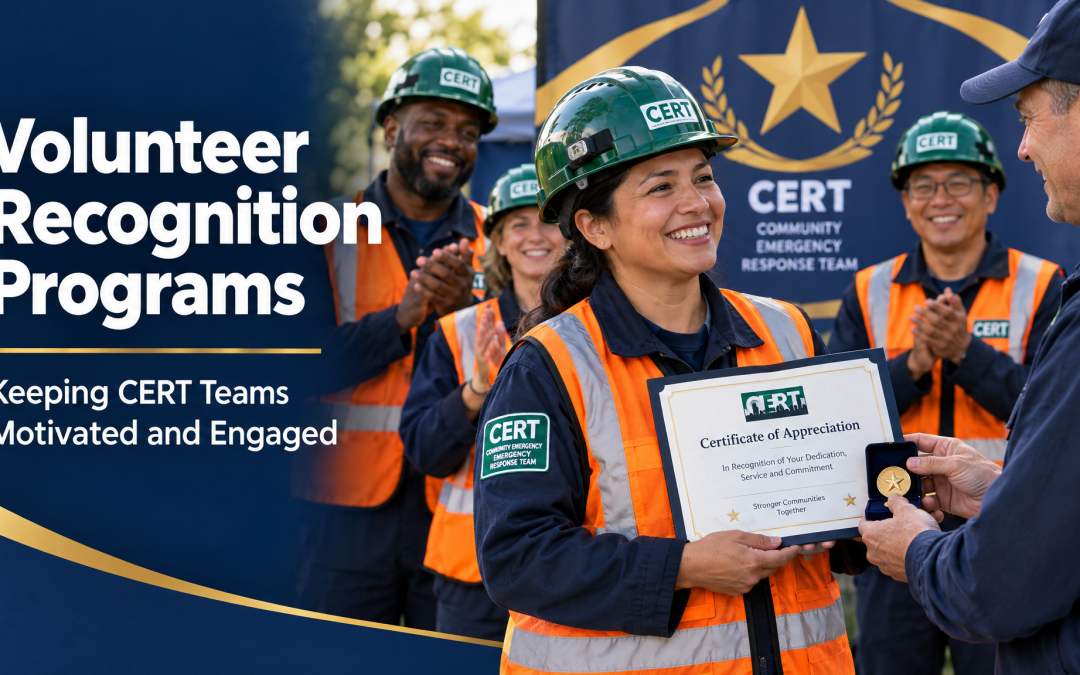
Volunteer Recognition Programs: Keeping CERT Teams Motivated and Engaged
Community Emergency Response Teams (CERT) represent the backbone of local disaster preparedness, with dedicated volunteers who sacrifice their time to protect and serve their communities. However, maintaining motivation and engagement among these selfless individuals requires more than just good intentions. Effective volunteer recognition programs serve as the cornerstone for building sustainable, enthusiastic CERT teams that remain committed to their mission year after year.
The challenge facing many CERT coordinators today isn’t recruiting new volunteers – it’s keeping existing team members actively engaged and preventing burnout. When volunteers feel valued and appreciated for their contributions, they’re more likely to continue their service, participate in training sessions, and respond when emergencies arise. This comprehensive guide explores proven strategies for developing recognition programs that truly resonate with CERT volunteers and create lasting impact.
Understanding the Psychology Behind Volunteer Motivation
Before diving into specific recognition strategies, it’s crucial to understand what drives CERT volunteers. Unlike paid employees who receive financial compensation, volunteers are motivated by intrinsic factors such as personal fulfillment, community connection, and the desire to make a meaningful difference. Research consistently shows that volunteers stay engaged when they feel their contributions are acknowledged and their skills are valued.
The most effective recognition programs tap into these psychological drivers by creating multiple touchpoints for appreciation. Some volunteers thrive on public recognition, while others prefer quiet acknowledgment of their efforts. Understanding these individual preferences allows coordinators to tailor their approach and ensure every team member feels genuinely appreciated.
Moreover, recognition programs must evolve beyond simple “thank you” gestures. Today’s volunteers, particularly younger generations, seek authentic connections and want to see the tangible impact of their work. They’re looking for programs that not only acknowledge their time investment but also celebrate their professional development and personal growth within the CERT framework.
Essential Elements of Effective CERT Recognition Programs
Successful volunteer recognition programs share several key characteristics that set them apart from token appreciation efforts. First and foremost, they operate on consistency rather than sporadic acknowledgment. Regular recognition creates anticipation and reinforces positive behaviors, while irregular appreciation can feel like an afterthought.
Personalization stands as another critical element. Generic certificates or mass-produced awards often fall flat because they fail to acknowledge the unique contributions each volunteer brings to the team. Effective programs take time to understand individual volunteers’ strengths, interests, and preferred forms of recognition.
Timing also plays a crucial role in recognition effectiveness. Immediate acknowledgment of exceptional performance or significant milestones creates stronger emotional connections than delayed recognition. When a CERT volunteer goes above and beyond during a training exercise or community event, acknowledging their effort within days rather than weeks amplifies the positive impact.
Finally, meaningful recognition programs incorporate peer-to-peer appreciation alongside formal coordinator recognition. Creating systems where team members can nominate and celebrate each other builds stronger bonds and fosters a culture of mutual respect and support.
Creative Recognition Ideas That Actually Work
Traditional plaques and certificates certainly have their place, but innovative recognition approaches often generate more enthusiasm and engagement. Consider implementing a “CERT Hero of the Month” program that rotates through different categories such as training excellence, community outreach, or mentorship. Each month, highlight a different volunteer’s story through newsletters, social media posts, and team meetings.
Skills-based recognition proves particularly effective for CERT teams because it acknowledges professional development alongside volunteer service. Create specialized badges or certifications for volunteers who master specific competencies like first aid, search and rescue techniques, or emergency communications. These credentials not only recognize achievement but also help volunteers see clear pathways for advancement within the program.
Experience-based rewards offer another compelling recognition avenue. Instead of material gifts, consider providing unique opportunities such as behind-the-scenes tours of emergency operations centers, meetings with local emergency management officials, or invitations to regional CERT conferences. These experiences create lasting memories while expanding volunteers’ knowledge and networks.
Don’t underestimate the power of storytelling as a recognition tool. Feature volunteer spotlights that share personal stories about why individuals joined CERT and what the experience means to them. These narratives not only recognize individual contributions but also inspire other team members and attract potential new volunteers.
Building a Sustainable Recognition Culture
Creating a culture of recognition requires intentional effort and systematic implementation. Start by establishing clear criteria for different types of recognition, ensuring fairness and transparency in the selection process. When volunteers understand how recognition decisions are made, they’re more likely to view the program as legitimate and meaningful.
Training team leaders and coordinators in recognition best practices ensures consistency across the organization. Not everyone naturally excels at giving meaningful recognition, so providing guidance on effective appreciation techniques benefits the entire program. This training should cover both formal recognition protocols and informal appreciation strategies that can be used daily.
Documentation plays a crucial role in sustainable recognition programs. Maintain detailed records of volunteer contributions, training completions, and service hours. This information becomes invaluable when writing recommendation letters, nominating volunteers for external awards, or simply remembering specific achievements during recognition ceremonies.
Regular program evaluation helps identify what’s working and what needs improvement. Survey volunteers annually about their recognition preferences and satisfaction levels. Use this feedback to refine existing programs and develop new recognition initiatives that better meet team members’ evolving needs.
Measuring the Impact of Your Recognition Efforts
Effective recognition programs require ongoing assessment to ensure they’re achieving desired outcomes. Key metrics include volunteer retention rates, training attendance, emergency response participation, and overall team satisfaction scores. These quantitative measures provide concrete evidence of program effectiveness and help justify resource allocation for recognition initiatives.
Qualitative feedback proves equally valuable in measuring recognition impact. Conduct exit interviews with departing volunteers to understand whether recognition factors influenced their decision to leave. Similarly, gather testimonials from long-term volunteers about how recognition has affected their experience and commitment to the team.
Track recognition frequency and distribution to ensure equitable appreciation across all team members. If certain volunteers consistently receive recognition while others are overlooked, it may indicate bias in the selection process or gaps in the recognition criteria. Regular analysis helps maintain fairness and prevents recognition fatigue among frequently honored volunteers.
Monitor external indicators such as community feedback, media coverage, and recruitment success rates. Strong recognition programs often correlate with improved community perception and increased interest from potential volunteers. These secondary benefits demonstrate the broader value of investing in volunteer appreciation initiatives.
Overcoming Common Recognition Program Challenges
Budget constraints represent the most frequently cited obstacle to implementing comprehensive recognition programs. However, meaningful recognition doesn’t require significant financial investment. Many of the most effective recognition strategies – personal thank-you notes, public acknowledgment, skill development opportunities – cost little more than time and thoughtful planning.
Coordinator time limitations present another common challenge. Busy emergency management professionals often struggle to find time for recognition activities amid their numerous responsibilities. Address this by incorporating recognition into existing processes rather than creating separate programs. For example, begin each team meeting with brief volunteer spotlights or include recognition segments in regular training sessions.
Avoiding recognition burnout requires careful balance between appreciation and over-recognition. When every action receives equal recognition, the impact diminishes for truly exceptional contributions. Establish clear hierarchies of recognition that reserve the highest honors for the most significant achievements while still acknowledging routine contributions appropriately.
Geographic dispersion can complicate recognition efforts for CERT teams covering large areas. Virtual recognition platforms, regional recognition events, and traveling recognition ceremonies help ensure all volunteers feel included regardless of their location. Technology solutions such as video conferencing and social media can bridge distance gaps effectively.
Conclusion
Volunteer recognition programs serve as vital investments in the long-term success and sustainability of CERT teams. When implemented thoughtfully and consistently, these programs create positive feedback loops that enhance volunteer satisfaction, improve retention rates, and strengthen community emergency preparedness capabilities.
The most successful recognition initiatives go beyond simple appreciation to create meaningful connections between volunteers and their community impact. By understanding individual motivations, implementing diverse recognition strategies, and maintaining consistent appreciation efforts, CERT coordinators can build engaged, committed teams that remain resilient in the face of challenges.
Remember that recognition programs require ongoing attention and evolution to remain effective. What motivates volunteers today may differ from what inspired them initially, and successful programs adapt to meet changing needs and expectations. The investment in volunteer recognition pays dividends not only in team morale but also in enhanced emergency response capabilities that benefit entire communities.
Start small, be consistent, and focus on authentic appreciation that acknowledges the real value volunteers bring to emergency preparedness efforts. With dedication and creativity, any CERT program can develop recognition initiatives that keep volunteers motivated, engaged, and ready to serve when their communities need them most.
Frequently Asked Questions
How often should CERT volunteers be recognized for their service?
Recognition should be ongoing rather than limited to annual events. Aim for immediate acknowledgment of exceptional contributions, monthly or quarterly formal recognition programs, and annual comprehensive appreciation events. The key is maintaining consistent appreciation throughout the year rather than concentrating it in single events.
What types of recognition do CERT volunteers value most?
Research shows that CERT volunteers particularly value personal acknowledgment from coordinators, peer recognition from fellow team members, skill development opportunities, and public recognition of their service. Material rewards rank lower than meaningful appreciation and professional growth opportunities.
How can small CERT programs with limited budgets implement effective recognition?
Budget-friendly recognition options include personalized thank-you notes, public acknowledgment during meetings, social media spotlights, certificates of appreciation, and skill-building opportunities. Many effective recognition strategies require time and thoughtfulness rather than financial resources.
Should recognition programs treat all volunteers equally or differentiate based on contribution levels?
Effective programs balance equity with merit-based recognition. All volunteers should receive basic appreciation for their service, while additional recognition acknowledges exceptional contributions, leadership roles, or significant milestones. Clear criteria help ensure fairness in differentiated recognition.
How can coordinators identify volunteers who prefer private versus public recognition?
Direct communication works best for understanding recognition preferences. Include questions about appreciation preferences in volunteer applications, conduct informal conversations during training sessions, or survey team members about their recognition preferences. Observing volunteer responses to different types of recognition also provides valuable insights.